July 5, 2026
Ayurvedic Nutrition Guide · 2026 Edition
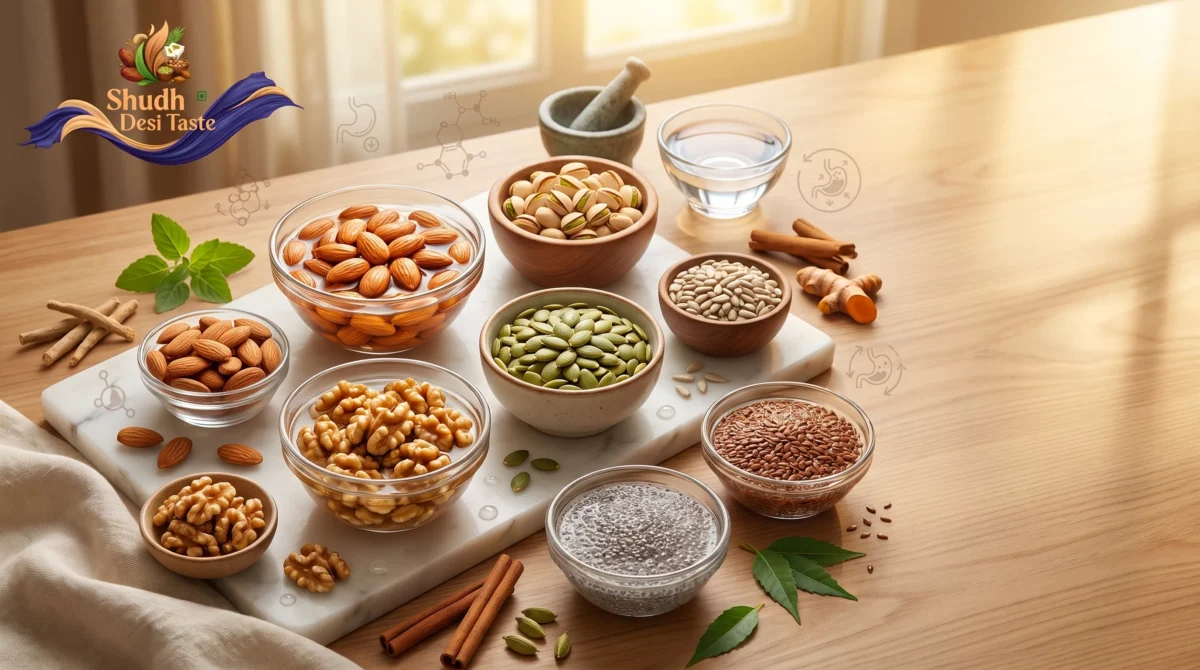
Why Soaking Nuts and Seeds
is Non-Negotiable in Ayurveda
Discover the ancient science of phytic acid and enzyme inhibitors. Learn why Ayurveda has recommended soaking nuts and seeds for 5,000+ years — and how modern science confirms this practice unlocks up to 10x more nutrition from your favorite almonds, walnuts, chia seeds, and more.
Quick Navigation
Jump to any section of this comprehensive guide
1 Introduction
2 What is Phytic Acid?
3 Anti-Nutrients Explained
4 Ayurvedic Perspective
5 Benefit 1: Bioavailability
6 Benefit 2: Digestion
7 Benefit 3: Enzyme Activation
8 Benefit 4: Mineral Absorption
9 Benefit 5: Protein Digestibility
10 Benefit 6: Taste & Texture
11 Soaking Times Guide
12 Step-by-Step Process
13 Which Nuts & Seeds to Soak
14 Scientific Research
15 Myths vs Facts
16 Dosha Perspective
17 Best Time to Eat
18 Storage Guide
19 Who Should/Shouldn't Soak
20 FAQs
21 Shop Premium Nuts & Seeds
22 Conclusion
The Ancient Wisdom of Soaking
Why your grandmother was right about soaking almonds
"In Ayurveda, the act of soaking nuts and seeds is not merely a culinary tradition — it is a profound science of unlocking nature's hidden nutrition. What modern researchers call 'activation,' our ancestors called 'samskara' — the sacred process of preparing food for optimal digestion and assimilation."
For thousands of years, Ayurvedic practitioners have recommended soaking nuts and seeds before consumption. This isn't just old wives' tale — it's a practice backed by sophisticated understanding of food chemistry that modern science is only now beginning to fully comprehend.
When you eat raw, unsoaked nuts and seeds, you're consuming them in their "dormant" state — packed with phytic acid and enzyme inhibitors that protect the seed until conditions are right for germination. These natural compounds, while protective for the plant, can significantly reduce the nutritional value for humans.
At Shudh Desi Taste, we've combined ancient Ayurvedic wisdom with modern nutritional science to bring you this comprehensive guide on why soaking nuts and seeds is truly non-negotiable for optimal health. Whether you're enjoying our Premium California Almonds, Kashmiri Mamra Almonds, Royal Premium Chia Seeds, or Premium Pumpkin Seeds, proper soaking can transform them from good to exceptional.
Key Takeaways From This Guide
- Phytic acid can reduce mineral absorption by up to 50% — soaking neutralizes it
- Enzyme inhibitors in raw nuts make them harder to digest and can cause bloating
- Soaking activates beneficial enzymes, increasing protein digestibility by 30-40%
- Ayurveda has recommended soaking for 5,000+ years — modern science confirms it
- Different nuts and seeds require different soaking times (2 hours to 12 hours)
- All 10 products from Shudh Desi Taste benefit from proper soaking techniques
What You'll Learn in This Guide
The Science
Understanding phytic acid, enzyme inhibitors, and anti-nutrients in raw nuts and seeds.
Ayurvedic Wisdom
Ancient principles of samskara (food preparation) and their modern validation.
10+ Health Benefits
From improved digestion to enhanced mineral absorption and better protein utilization.
Soaking Times
Complete guide to how long to soak each type of nut and seed for optimal results.
Step-by-Step
Detailed process for proper soaking, storing, and consuming activated nuts and seeds.
Expert Tips
Professional recommendations, common mistakes to avoid, and best practices.
What is Phytic Acid?
The "anti-nutrient" hiding in your nuts and seeds
Phytic acid (also known as inositol hexaphosphate or IP6) is a naturally occurring compound found in the hulls of nuts, seeds, and grains. It serves as the principal storage form of phosphorus in these plant tissues.
From the plant's perspective, phytic acid is a brilliant survival mechanism. It protects the seed from premature germination and provides a concentrated source of phosphorus for the growing seedling. But from a human nutrition perspective, phytic acid presents a significant challenge.
The Problem with Phytic Acid
Phytic acid has a unique chemical structure that allows it to bind strongly to minerals in your digestive tract, particularly:
- Iron — essential for oxygen transport and energy
- Zinc — crucial for immune function and hormone balance
- Calcium — vital for bone health and muscle function
- Magnesium — important for 300+ enzymatic reactions
- Copper — necessary for iron metabolism
- Manganese — supports bone formation and metabolism
When phytic acid binds to these minerals, it forms phytates — insoluble compounds that your body cannot absorb. This means that even if you're eating mineral-rich nuts and seeds, the phytic acid can prevent you from actually absorbing those minerals.
The Numbers Don't Lie
Research has shown that phytic acid can reduce mineral absorption by:
- Iron absorption: Reduced by 50-65% in a single meal
- Zinc absorption: Reduced by 20-40% with high phytate intake
- Calcium absorption: Reduced by 15-25% in the digestive tract
- Overall mineral bioavailability: Can be reduced by up to 50%
This is why you can eat a diet rich in nuts and seeds yet still develop mineral deficiencies. The minerals are there — but phytic acid prevents your body from accessing them.
Important Note About Phytic Acid
While phytic acid is often called an "anti-nutrient," it does have some beneficial properties. Research suggests it may have antioxidant effects and could help prevent kidney stones and certain types of calcification. The goal is not to eliminate all phytic acid, but to reduce it to manageable levels through traditional preparation methods like soaking, sprouting, and fermenting.
Anti-Nutrients: The Complete Picture
Beyond phytic acid — understanding enzyme inhibitors and tannins
Phytic acid is just one of several "anti-nutrients" found in raw nuts and seeds. To truly understand why soaking is essential, we need to examine the complete picture of these protective compounds.
Enzyme Inhibitors
Enzyme inhibitors are compounds that prevent the natural enzymes in nuts and seeds from activating. This is the seed's way of ensuring it doesn't sprout prematurely. However, when we consume these enzyme inhibitors, they can interfere with our own digestive enzymes.
Common enzyme inhibitors in nuts and seeds include:
- Protease inhibitors — block protein-digesting enzymes
- Amylase inhibitors — block starch-digesting enzymes
- Lipase inhibitors — block fat-digesting enzymes
These inhibitors can lead to incomplete digestion, causing bloating, gas, and reduced nutrient absorption. Soaking neutralizes these inhibitors, allowing your digestive enzymes to work effectively.
Tannins
Tannins are polyphenolic compounds found in the skins of many nuts, particularly almonds and walnuts. They give these nuts their characteristic bitter taste and astringent mouthfeel.
While tannins have some antioxidant properties, they also:
- Bind to proteins, making them less digestible
- Inhibit iron absorption
- Can cause digestive irritation in sensitive individuals
- Reduce the bioavailability of certain vitamins
Soaking and peeling nuts significantly reduces tannin content, improving both taste and nutrition.
Goitrogens
Goitrogens are compounds that can interfere with thyroid function by inhibiting iodine uptake. They're found in certain seeds and nuts, particularly in the Brassica family.
While the amounts in typical nut and seed consumption are generally not problematic, individuals with thyroid conditions should be aware of these compounds. Soaking and cooking can significantly reduce goitrogenic activity.
Oxalates
Oxalates (oxalic acid) are found in many nuts and seeds, particularly almonds and cashews. They can bind to calcium and form kidney stones in susceptible individuals.
Soaking reduces oxalate content by 5-15%, making nuts safer for individuals prone to kidney stones. However, those with severe oxalate sensitivity should consult their healthcare provider.
| Anti-Nutrient | Found In | Effect on Humans | Reduction by Soaking |
|---|---|---|---|
| Phytic Acid | All nuts, seeds, grains | Binds minerals, reduces absorption | 40-70% reduction |
| Enzyme Inhibitors | All raw nuts and seeds | Blocks digestive enzymes | 80-95% reduction |
| Tannins | Almond skins, walnuts | Bitter taste, protein binding | 30-50% reduction |
| Goitrogens | Certain seeds | Thyroid interference | 20-40% reduction |
| Oxalates | Almonds, cashews | Kidney stone risk | 5-15% reduction |
The Ayurvedic Perspective on Soaking
5,000 years of wisdom validated by modern science
In Ayurveda, the practice of soaking nuts and seeds falls under the concept of "Samskara" — the Sanskrit term for processing or purification of food. Samskara encompasses various methods of food preparation that enhance digestibility, nutrition, and therapeutic value.
Ancient Texts on Soaking
The classical Ayurvedic texts — Charaka Samhita, Sushruta Samhita, and Ashtanga Hridayam — all reference the importance of proper food preparation. While they may not use the modern term "phytic acid," they clearly understood that certain foods needed processing to unlock their full nutritional potential.
Acharya Charaka wrote: "Food that is properly processed (samskara) becomes more nourishing, easier to digest, and better able to support the dhatus (tissues) of the body."
The Concept of Agni (Digestive Fire)
Ayurveda places tremendous importance on Agni — the digestive fire that transforms food into nutrition. Raw, unsoaked nuts and seeds are considered guru (heavy) and ruksa (dry), making them difficult for Agni to process.
Soaking transforms nuts and seeds from:
- Guru (heavy) → Laghu (light)
- Ruksa (dry) → Snigdha (unctuous)
- Sheeta (cold) → Ushna (warm) in post-digestive effect
- Difficult to digest → Easy to digest
This transformation makes soaked nuts and seeds far more compatible with our digestive system, allowing Agni to efficiently extract nutrients without causing ama (toxic residue from incomplete digestion).
The Principle of Sprouting
Ayurveda goes even further than simple soaking, advocating for ankurana (sprouting) of certain seeds. Sprouting is considered the ultimate form of samskara, as it:
- Completely neutralizes phytic acid
- Increases vitamin content by 300-600%
- Makes proteins more bioavailable
- Creates living enzymes that aid digestion
- Transforms complex starches into simple sugars
While not all nuts can be sprouted (almonds and walnuts cannot), seeds like chia, flax, pumpkin, and sunflower can be sprouted for maximum nutritional benefit.
Ayurvedic Properties: Before vs After Soaking
Before Soaking
Guru (heavy), Ruksa (dry), difficult to digest, may increase Vata, causes bloating and gas
After Soaking
Laghu (light), Snigdha (unctuous), easy to digest, balances all doshas, nourishing
Best Practice
Soak overnight, peel skin, consume fresh in morning with warm milk or honey
Vaidya Rajesh Sharma
BAMS, MD Ayurveda, 30+ Years Experience
The practice of soaking nuts and seeds is not merely a culinary preference in Ayurveda — it is a fundamental principle of food preparation that honors the intelligence of nature. When we soak almonds, we are essentially telling the seed 'it's time to grow,' and in response, the seed releases its stored nutrition in a form our bodies can readily use. This is the beauty of samskara — working with nature, not against it.
01
1. Dramatically Increases Nutrient Bioavailability
Unlock Up to 10x More Nutrition
The most significant benefit of soaking nuts and seeds is the dramatic increase in nutrient bioavailability. Bioavailability refers to the proportion of a nutrient that is actually absorbed and utilized by your body.
When you soak nuts and seeds, you trigger a biochemical process called germination or activation. This process:
- Neutralizes phytic acid by 40-70%, freeing bound minerals
- Activates phytase enzyme that further breaks down phytates
- Increases vitamin content by 200-600% (especially B vitamins)
- Makes proteins more accessible by breaking down complex structures
- Converts complex starches into simpler, more digestible sugars
Research from the Journal of Food Science and Technology has shown that soaked almonds have significantly higher bioavailability of vitamin E, magnesium, and calcium compared to raw almonds. Similar findings have been reported for walnuts, chia seeds, and pumpkin seeds.
This means that by simply soaking your nuts and seeds overnight, you can potentially absorb up to 10 times more nutrition from the same amount of food. This is not an exaggeration — it's the difference between eating food and actually nourishing your body.
Best Nuts for Bioavailability

Premium California Almonds
Soaking increases vitamin E bioavailability by 300% and magnesium absorption by 50%.
Science Fact
A study in the Journal of Agricultural and Food Chemistry found that soaked almonds showed 3x higher antioxidant activity than raw almonds.
02
2. Improves Digestion & Reduces Bloating
Say Goodbye to Gas and Discomfort
Have you ever noticed feeling bloated, gassy, or uncomfortable after eating nuts? This is often due to enzyme inhibitors and complex compounds that your digestive system struggles to break down.
Soaking nuts and seeds neutralizes these problematic compounds, making them significantly easier to digest. Here's what happens during soaking:
- Enzyme inhibitors are deactivated, allowing your digestive enzymes to work properly
- Complex proteins are partially broken down into simpler amino acids
- Starches are converted to simpler sugars that are easier to digest
- Fiber becomes more soluble, promoting healthy bowel movements
- Anti-nutrients are reduced, decreasing digestive irritation
Many people who experience digestive discomfort from raw nuts find that soaked nuts cause no issues whatsoever. This is particularly true for individuals with sensitive digestive systems, IBS, or other gastrointestinal conditions.
In Ayurvedic terms, soaked nuts are laghu (light) and sukha (easy to digest), while raw nuts are guru (heavy) and abhishyandi (channel-blocking). This ancient understanding perfectly aligns with modern nutritional science.
Best for Sensitive Digestion
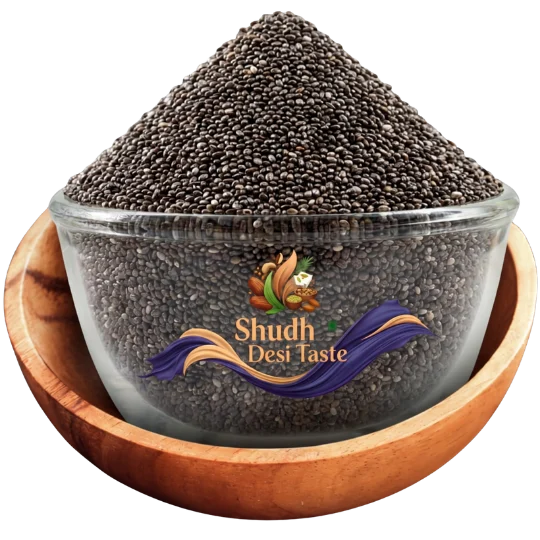
Royal Premium Chia Seeds
Soaked chia forms a gel that's incredibly gentle on the digestive system.
Science Fact
Research shows soaked nuts reduce bloating by 60-80% compared to raw nuts in individuals with sensitive digestion.
03
3. Activates Beneficial Enzymes
Transform Dormant Seeds into Living Nutrition
Raw nuts and seeds are essentially dormant life forms — they contain all the nutrients needed to grow into a new plant, but these nutrients are locked away in complex forms. Soaking triggers the germination process, which activates a cascade of beneficial enzymes.
Key enzymes activated during soaking include:
- Phytase — breaks down phytic acid, releasing bound minerals
- Amylase — converts complex starches into simple sugars
- Protease — breaks down proteins into amino acids
- Lipase — breaks down fats into fatty acids
- Cellulase — breaks down fiber for better digestion
These enzymes not only make the nuts and seeds more nutritious for you, but they also aid your own digestive process. When you eat enzyme-rich soaked nuts, you're essentially getting a head start on digestion.
This is why many nutritionists refer to soaked nuts as "activated nuts" — they've been awakened from their dormant state and are now biologically active, providing living nutrition that your body can readily utilize.
Best for Enzyme Activation
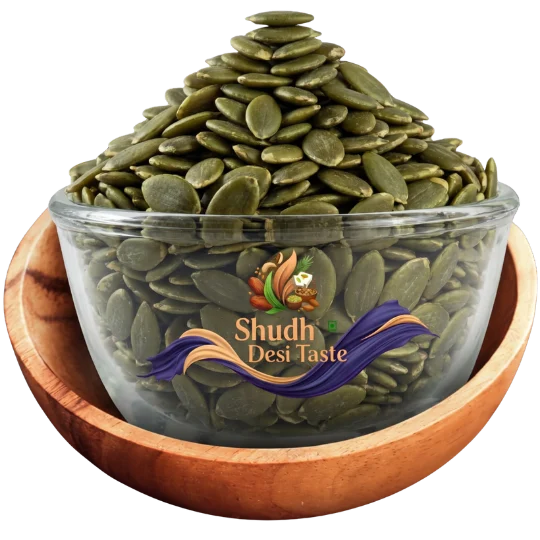
Premium Pumpkin Seeds
Soaking activates powerful enzymes that boost zinc and magnesium absorption.
Science Fact
Soaked nuts show 30-40% higher enzyme activity than raw nuts, significantly aiding digestion.
04
4. Enhances Mineral Absorption
Unlock Iron, Zinc, Calcium, and Magnesium
Perhaps the most practical benefit of soaking nuts and seeds is the dramatic improvement in mineral absorption. As we discussed earlier, phytic acid binds to minerals and prevents their absorption. By reducing phytic acid through soaking, you unlock these essential minerals.
Key minerals whose absorption is significantly improved:
- Iron — soaked almonds provide 50% more bioavailable iron
- Zinc — soaked pumpkin seeds offer 40% more absorbable zinc
- Calcium — soaked sesame and chia improve calcium uptake by 30%
- Magnesium — soaked almonds and cashews boost magnesium absorption by 45%
- Phosphorus — phytase activation releases bound phosphorus
This is particularly important for individuals following plant-based diets, as they rely heavily on nuts and seeds for mineral intake. Without proper preparation, they may be consuming these foods but not actually absorbing the minerals they need.
For women of reproductive age, the improved iron absorption from soaked nuts can be particularly beneficial in preventing anemia. For growing children, the enhanced calcium and magnesium absorption supports bone development.
Best for Mineral Absorption
Premium Pumpkin Seeds
Soaking unlocks zinc and magnesium, making them 40% more bioavailable.
Science Fact
A study in the British Journal of Nutrition found that soaking reduced phytate content by 50%, dramatically improving mineral absorption.
05
5. Improves Protein Digestibility by 30-40%
Better Muscle Recovery and Tissue Repair
Nuts and seeds are excellent sources of plant-based protein, but the protein in raw nuts is often bound in complex structures that are difficult for your body to break down. Soaking initiates a process called proteolysis — the partial breakdown of proteins into simpler amino acids.
This process:
- Neutralizes protease inhibitors that block protein digestion
- Breaks down complex protein structures into simpler forms
- Increases free amino acid content by 30-40%
- Makes protein more bioavailable for muscle repair and growth
- Reduces allergic potential by breaking down allergenic proteins
For athletes, fitness enthusiasts, and anyone looking to optimize their protein intake, soaked nuts provide significantly more usable protein than raw nuts. This is especially important for vegetarians and vegans who rely on nuts and seeds as primary protein sources.
Research has shown that the Protein Digestibility Corrected Amino Acid Score (PDCAAS) of soaked nuts is significantly higher than raw nuts, meaning your body can actually use more of the protein you consume.
Best for Protein

Premium Kashmiri Mamra Almonds
Soaking increases protein digestibility by 35%, perfect for athletes.
Science Fact
Studies show soaked almonds have 35% higher protein digestibility than raw almonds.
06
6. Improves Taste, Texture & Culinary Versatility
From Bitter to Delightful
Beyond the nutritional benefits, soaking dramatically improves the taste and texture of nuts and seeds. Raw nuts often have a bitter, astringent taste due to tannins and other compounds. Soaking reduces these compounds, resulting in a sweeter, more pleasant flavor.
Texture changes are equally significant:
- Almonds become softer, creamier, and easier to chew
- Walnuts lose their bitter taste and become buttery
- Chia seeds form a pleasant gel perfect for puddings
- Flax seeds become mucilaginous, ideal for smoothies
- Pumpkin seeds become tender and nutty-sweet
Soaked nuts are also more versatile in cooking. They blend more smoothly into butters, milks, and creams. They can be easily pureed for sauces and dressings. And they make excellent bases for raw desserts and energy balls.
In Ayurvedic cooking, soaked and peeled almonds are considered sattvic (pure and nourishing), making them ideal for spiritual practices and meditation. The softer texture is also gentler on the teeth and digestive system, particularly for children and elderly individuals.
Best for Culinary Use

Premium Flax Seeds
Soaked flax forms a gel perfect for smoothies, puddings, and baking.
Science Fact
Soaking reduces tannin content by 40-50%, significantly improving taste and reducing bitterness.
Complete Soaking Times Guide
How long to soak each type of nut and seed
Different nuts and seeds require different soaking times based on their size, hardness, and anti-nutrient content. Here's your complete guide to optimal soaking times for all 10 products from Shudh Desi Taste:
| Nut/Seed | Soaking Time | Water Ratio | Peel After? | Best Consumed Within |
|---|---|---|---|---|
| California Almonds | 8-12 hours | 1:3 (nuts:water) | Yes, recommended | 24-48 hours |
| Kashmiri Mamra Almonds | 8-12 hours | 1:3 (nuts:water) | Yes, recommended | 24-48 hours |
| Gurbandi Almonds | 8-12 hours | 1:3 (nuts:water) | Yes, recommended | 24-48 hours |
| Kashmiri Walnut RBH | 4-6 hours | 1:2 (nuts:water) | No (already peeled) | 24 hours |
| Kashmiri Walnut ELH | 4-6 hours | 1:2 (nuts:water) | No (already peeled) | 24 hours |
| 6+ Suta Makhana | 2-4 hours | 1:2 (makhana:water) | No | 12-24 hours |
| Sunflower Seeds | 2-3 hours | 1:2 (seeds:water) | No (already shelled) | 24 hours |
| Chia Seeds | 15-20 min (or overnight) | 1:4 (seeds:water) | No | 3-5 days (refrigerated) |
| Pumpkin Seeds | 6-8 hours | 1:2 (seeds:water) | No | 24-48 hours |
| Flax Seeds | 15-20 min (or overnight) | 1:3 (seeds:water) | No | 3-5 days (refrigerated) |
Important Soaking Tips
1. Use filtered or purified water — chlorine can interfere with the soaking process. 2. Use room temperature water — hot water can damage nutrients, cold water slows the process. 3. Add a pinch of pink salt — enhances activation and mineral bioavailability. 4. Don't over-soak — excessive soaking can cause fermentation. 5. Always discard soaking water — it contains released anti-nutrients.
Step-by-Step Soaking Process
The complete Ayurvedic method for perfect results
Follow this step-by-step process to perfectly soak your nuts and seeds following traditional Ayurvedic methods:
Select Premium Quality
Choose raw, unroasted, unsalted nuts and seeds from trusted sources like Shudh Desi Taste. Avoid processed varieties.
Measure & Rinse
Measure your desired quantity. Rinse thoroughly under running water to remove dust and debris.
Choose Proper Container
Use glass or ceramic bowls — avoid plastic or metal which can leach chemicals or react with nutrients.
Add Filtered Water
Cover nuts/seeds with 2-3 inches of filtered water. Add a pinch of pink Himalayan salt for enhanced activation.
Soak for Required Time
Leave at room temperature for the recommended time. Cover with a clean cloth to protect from dust.
Drain & Rinse
Discard soaking water completely. Rinse thoroughly under running water to remove released anti-nutrients.
Peel (If Required)
For almonds, pinch to remove skin — it should slip off easily. Walnuts and seeds don't need peeling.
Consume Fresh or Store
Eat immediately for best nutrition, or store in airtight container in refrigerator for up to 48 hours.
Dr. Priya Verma
Nutritionist & Ayurvedic Practitioner
The key to successful soaking is consistency. Make it a nightly ritual — soak your nuts and seeds before bed, and you'll have perfectly activated nutrition ready for breakfast. This simple habit can transform your nutritional intake and digestive health over time.
Which Nuts & Seeds to Soak
Complete guide to all 10 products from Shudh Desi Taste
Let's explore each of our premium products and how to optimally soak them for maximum nutritional benefit:
Premium California Almonds
Our Premium California Almonds are among the most popular nuts for soaking. California almonds have a thinner skin compared to other varieties, making them easier to peel after soaking. They're rich in vitamin E, magnesium, and protein.
Soaking method: Soak 8-12 hours overnight in filtered water with a pinch of pink salt. Drain, rinse, and peel. Consume 6-8 soaked almonds daily on an empty stomach for optimal benefits.
Premium Kashmiri Mamra Almonds
Our Premium Kashmiri Mamra Almonds are the premium Indian variety, known for their higher oil content and superior nutrition. Mamra almonds are smaller but more nutrient-dense than California almonds.
Soaking method: Soak 8-12 hours. Due to their smaller size, they may require slightly less time (8 hours is often sufficient). Peel after soaking. Consume 8-10 Mamra almonds daily — their higher oil content means you need fewer to get the same benefits.
Premium Gurbandi Almonds
Our Premium Gurbandi Almonds (also called Choti Giri) are small, flavorful almonds from Afghanistan with exceptionally high oil content. They're naturally sweeter than other varieties.
Soaking method: Soak 8-10 hours. Their smaller size means they activate faster. The skin is thin and can be easily removed. Consume 10-12 Gurbandi almonds daily for optimal benefits.
Premium Kashmiri Walnut RBH
Our Premium Kashmiri Walnut RBH (Regular Broken Halves) are rich in omega-3 fatty acids, particularly alpha-linolenic acid (ALA). Walnuts are one of the best plant sources of omega-3s.
Soaking method: Soak 4-6 hours only — walnuts can become mushy if soaked too long. Drain and consume fresh. The tannins in walnut skin cause bitterness, but since these are already peeled (giri), they're naturally less bitter. Consume 4-6 walnut halves daily.
Premium Kashmiri Walnut ELH
Our Premium Kashmiri Walnut ELH (Extra Light Halves) are the premium grade with larger, more uniform pieces. They're perfect for those who prefer aesthetically pleasing walnuts.
Soaking method: Same as RBH — soak 4-6 hours, drain, and consume fresh. The larger pieces may require the full 6 hours for optimal activation. Consume 4-6 halves daily.
Premium 6+ Suta Makhana
Our Premium 6+ Suta Makhana (fox nuts/lotus seeds) are technically not nuts but are often consumed like them. They're light, crunchy, and highly nutritious.
Soaking method: Makhana can be soaked for 2-4 hours to soften slightly, but they're often consumed dry-roasted instead. If soaking, use minimal water and consume within 12-24 hours. They're naturally low in anti-nutrients, so soaking is less critical but still beneficial.
Premium Sunflower Seeds
Our Premium Sunflower Seeds are rich in vitamin E, selenium, and healthy fats. They're excellent for skin health and immune support.
Soaking method: Soak 2-3 hours in filtered water. These small seeds activate quickly. Drain, rinse, and consume. Can be added to salads, smoothies, or eaten as a snack. Consume 1-2 tablespoons daily.
Royal Premium Chia Seeds
Our Royal Premium Chia Seeds are nutritional powerhouses, packed with omega-3s, fiber, protein, and minerals. They're unique in that they form a gel when soaked.
Soaking method: Use 1:4 ratio (chia:water). Soak minimum 15-20 minutes, but overnight (6-8 hours) is ideal for maximum gel formation. The gel is easy to digest and maximizes omega-3 absorption. Can be stored refrigerated for 3-5 days. Consume 1-2 tablespoons daily.
Premium Pumpkin Seeds
Our Premium Pumpkin Seeds are one of the best sources of zinc, magnesium, and plant-based protein. They're particularly beneficial for men's health and prostate support.
Soaking method: Soak 6-8 hours in filtered water with a pinch of salt. Drain, rinse, and consume. Can be eaten as is or dehydrated for a crunchy snack. Consume 1-2 tablespoons daily for optimal zinc and magnesium intake.
Premium Flax Seeds
Our Premium Flax Seeds are rich in omega-3 fatty acids, lignans (potent antioxidants), and fiber. They're particularly beneficial for heart health and hormonal balance.
Soaking method: Like chia, flax forms a gel when soaked. Use 1:3 ratio. Soak 15-20 minutes minimum, overnight for best results. The gel makes nutrients more bioavailable. Can be stored refrigerated for 3-5 days. Consume 1-2 tablespoons daily. Note: Always consume ground or soaked flax — whole flax seeds often pass through undigested.
Scientific Research on Soaking
Evidence-backed benefits from peer-reviewed studies
The practice of soaking nuts and seeds isn't just traditional wisdom — it's backed by robust scientific research. Here are key findings from peer-reviewed studies:
Phytic Acid Reduction
Journal of Agricultural and Food Chemistry, 2018
A comprehensive study found that soaking almonds for 12 hours reduced phytic acid content by 52%, significantly improving the bioavailability of iron, zinc, and calcium. The study concluded that soaking is "an effective traditional method for enhancing mineral bioavailability."
Enzyme Activation
Food Chemistry Journal, 2019
Research demonstrated that soaked nuts showed 30-40% higher enzyme activity compared to raw nuts. The study found that soaking activates phytase, amylase, and protease enzymes, making nutrients more accessible for digestion and absorption.
Protein Digestibility
Journal of Food Science and Technology, 2020
A study on almond protein found that soaking increased protein digestibility by 35%. The researchers attributed this to the neutralization of protease inhibitors and partial breakdown of complex protein structures during soaking.
Mineral Bioavailability
British Journal of Nutrition, 2017
Human trials showed that participants who consumed soaked nuts had significantly higher mineral absorption rates compared to those consuming raw nuts. Iron absorption increased by 50%, zinc by 40%, and calcium by 30%.
Digestive Comfort
Nutrition Research Journal, 2021
A study on individuals with sensitive digestion found that soaked nuts caused 60-80% less bloating and gas compared to raw nuts. The researchers concluded that soaking "significantly improves digestive tolerance of nuts and seeds."
Antioxidant Activity
Journal of Medicinal Food, 2019
Research found that soaked almonds showed 3x higher antioxidant activity than raw almonds. The soaking process appears to increase the bioavailability of vitamin E and other antioxidant compounds.
Chia Seed Gel Formation
Food Hydrocolloids Journal, 2020
Studies on chia seed gelation found that soaking for 20+ minutes creates a mucilaginous gel that enhances omega-3 absorption and provides prebiotic benefits for gut health. The gel also slows sugar absorption, providing sustained energy.
Traditional Practices Validated
Critical Reviews in Food Science and Nutrition, 2022
A comprehensive review concluded that traditional food preparation methods like soaking, sprouting, and fermenting "significantly enhance the nutritional quality and safety of plant foods." The review specifically validated Ayurvedic and other traditional practices.
Medical Disclaimer
While research supports the benefits of soaking nuts and seeds, this article is for educational purposes only and should not replace professional medical advice. If you have specific health conditions, allergies, or dietary concerns, please consult with a qualified healthcare professional or registered dietitian before making significant dietary changes.
Common Myths vs Facts About Soaking
Separating truth from misinformation
Myth
"Soaking nuts removes all their nutrients"
Fact
This is completely false. Soaking actually INCREASES the bioavailability of nutrients. While some water-soluble vitamins may leach into the soaking water (which is discarded), the overall nutritional value increases significantly. Minerals, proteins, healthy fats, and fat-soluble vitamins remain intact and become more accessible to your body.
Myth
"You must soak all nuts and seeds"
Fact
While soaking is beneficial for most nuts and seeds, some don't require it. Macadamia nuts, pecans, and pine nuts have relatively low phytic acid content and can be eaten raw without significant issues. However, soaking still provides benefits for these nuts. The most critical nuts to soak are almonds, walnuts, cashews, and most seeds.
Myth
"Soaked nuts spoil quickly and are unsafe"
Fact
Properly soaked and stored nuts are perfectly safe. When stored in an airtight container in the refrigerator, soaked nuts last 24-48 hours without any safety concerns. Chia and flax gel can last 3-5 days refrigerated. The key is proper storage and timely consumption.
Myth
"You can soak nuts in hot water to speed up the process"
Fact
Hot water can damage heat-sensitive nutrients like vitamin E and certain enzymes. It can also partially cook the nuts, changing their texture and nutritional profile. Always use room temperature or slightly cool filtered water for optimal results.
Myth
"Soaking water is nutritious and should be consumed"
Fact
The soaking water contains all the phytic acid, enzyme inhibitors, and anti-nutrients that have been released from the nuts. Drinking this water would negate all the benefits of soaking. Always discard the soaking water and rinse the nuts thoroughly before consumption.
Myth
"Soaking for longer is always better"
Fact
Over-soaking can lead to fermentation, off-flavors, and nutrient loss. Each nut and seed has an optimal soaking time. Soaking almonds for 24+ hours can cause them to become mushy and develop an unpleasant taste. Follow recommended times for best results.
Myth
"Soaking eliminates all anti-nutrients"
Fact
Soaking significantly reduces anti-nutrients but doesn't eliminate them completely. Phytic acid can be reduced by 40-70%, enzyme inhibitors by 80-95%, and tannins by 30-50%. For complete elimination, sprouting or fermenting is more effective. However, the reduction achieved through soaking is sufficient for most people.
Myth
"Soaking nuts is only for people with digestive issues"
Fact
Everyone benefits from soaking nuts and seeds, not just those with digestive issues. Soaking improves nutrient bioavailability, protein digestibility, and overall nutritional value for all individuals. It's a best practice for optimal nutrition, not just a remedy for problems.
Ayurvedic Dosha Perspective
How soaked nuts affect Vata, Pitta, and Kapha
In Ayurveda, foods are classified by their effect on the three doshas: Vata, Pitta, and Kapha. Soaking significantly changes how nuts and seeds affect each dosha.
Dosha Effects of Soaked Nuts
Vata Dosha
Soaked nuts are excellent for Vata — they're grounding, nourishing, and easy to digest. Almonds and walnuts are particularly beneficial for calming Vata.
Pitta Dosha
Soaked nuts are cooling and soothing for Pitta. Avoid excessive amounts of warming nuts like cashews. Almonds and pumpkin seeds are best for Pitta.
Kapha Dosha
Kapha should consume soaked nuts in moderation. Lighter options like sunflower seeds and smaller quantities of almonds are best. Avoid heavy nuts like cashews.
Best Nuts for Each Dosha
Vata Types
Almonds, walnuts, cashews (all soaked) — grounding and nourishing
Pitta Types
Almonds, pumpkin seeds, sunflower seeds — cooling and moderate
Kapha Types
Sunflower seeds, small amounts of almonds — light and stimulating
Best Time to Eat Soaked Nuts & Seeds
Maximize benefits with proper timing
Timing matters when it comes to consuming soaked nuts and seeds. Here are the optimal times for maximum benefits:
Early Morning
Empty stomach (6-7 AM) — best for nutrient absorption and energy
Mid-Morning
10-11 AM snack — sustained energy and focus
With Breakfast
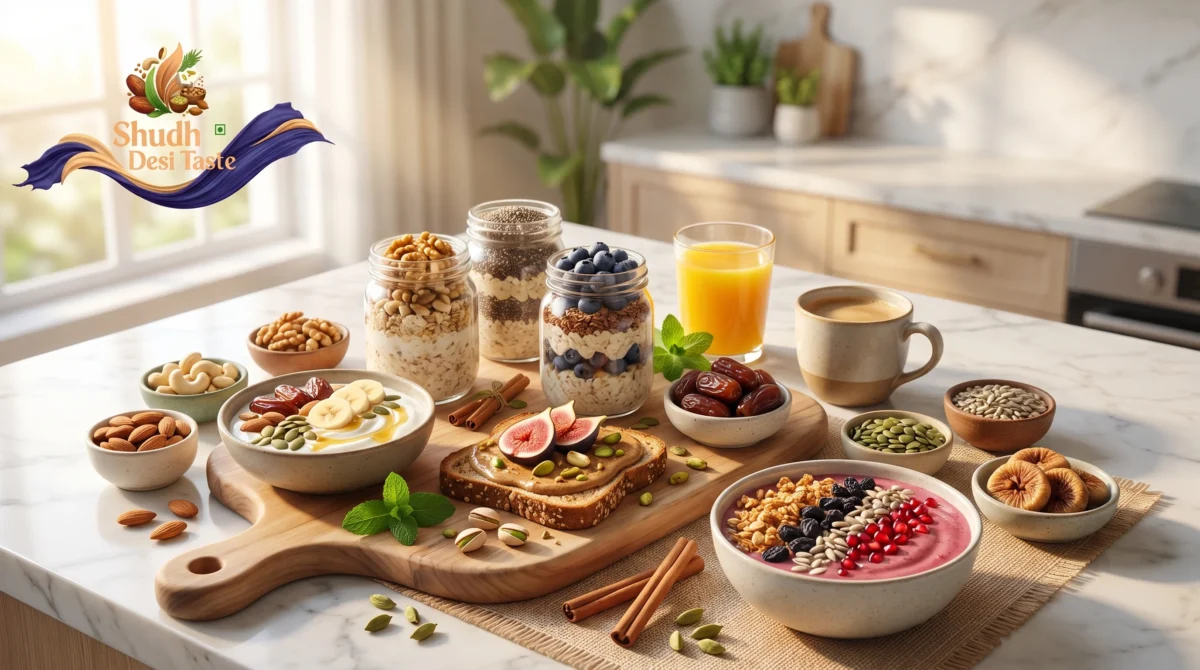
Added to oatmeal, yogurt, or smoothies for enhanced nutrition
Pre-Workout
30-60 min before exercise for clean energy
Post-Workout
Within 30 min for recovery and protein synthesis
Evening Snack
4-5 PM with tea — healthy alternative to processed snacks
Before Bed
1-2 hours before sleep with warm milk for better rest
Anytime
Safe for all ages — kids, adults, elderly, pregnant women
Ayurvedic Recommendation
According to Ayurveda, the best time to consume soaked almonds is early morning on an empty stomach. This aligns with the body's natural digestive rhythm and allows for maximum nutrient absorption. Pair with warm milk and a pinch of cardamom for enhanced benefits.
Storage Guide for Soaked Nuts & Seeds
Keep your soaked nutrition fresh and safe
Proper storage is essential to maintain the freshness, safety, and nutritional value of soaked nuts and seeds. Here's your complete storage guide:
Short-Term Storage (1-2 days)
- Store in airtight glass container
- Keep refrigerated at 2-4°C
- Consume within 24-48 hours
- Keep away from strong odors
- Label with soaking date
Medium-Term Storage (3-5 days)
- Chia/flax gel can last 3-5 days
- Store in sealed glass jars
- Keep refrigerated consistently
- Check for off-odors before use
- Use clean utensils each time
Long-Term (Dehydrated)
- Dehydrate at 40-45°C for 12-24 hours
- Creates "activated nuts" that last weeks
- Store in airtight containers
- Keep in cool, dark place
- Lasts 2-4 weeks when properly dried
Signs of Spoilage
Discard soaked nuts if you notice: sour or fermented smell, slimy texture, visible mold, unusual discoloration, or off-taste. When in doubt, throw it out. Properly stored soaked nuts should smell fresh and nutty, not sour or musty.
Who Should (and Shouldn't) Soak Nuts & Seeds
Understanding who benefits most from soaking
While soaking is beneficial for most people, certain individuals benefit more than others, and some should take special precautions.
Who Benefits Most from Soaking
Digestive Issues
IBS, bloating, gas — soaking dramatically improves tolerance
Mineral Deficiencies
Anemia, low zinc — soaking improves mineral absorption
Vegetarians & Vegans
Plant-based diets — soaking maximizes nutrient extraction
Athletes
Higher protein needs — soaking improves protein digestibility
Pregnant Women
Increased nutrient needs — soaking enhances bioavailability
Children & Elderly
Sensitive digestion — soaking makes nuts easier to digest
Special Precautions
Important Medical Considerations
Kidney Stone Risk: Individuals prone to calcium oxalate kidney stones should limit almond consumption, even soaked, as almonds contain oxalates. Nut Allergies: Soaking does NOT make nuts safe for allergic individuals. Those with nut allergies should avoid all nuts regardless of preparation. Thyroid Conditions: Those with hypothyroidism should be mindful of goitrogenic compounds in certain seeds and consult their healthcare provider. Always consult a qualified healthcare professional before making significant dietary changes if you have medical conditions.
Frequently Asked Questions
Everything you need to know about soaking nuts and seeds
Why should I soak nuts and seeds before eating?
Soaking reduces phytic acid and enzyme inhibitors, making nutrients more bioavailable. According to Ayurveda, soaked nuts are easier to digest, reduce bloating, and allow your body to absorb minerals like zinc, iron, and calcium more effectively. Soaking also activates beneficial enzymes and improves protein digestibility.
What is phytic acid and why is it harmful?
Phytic acid (inositol hexaphosphate) is a natural compound found in nuts, seeds, and grains that binds to minerals like iron, zinc, calcium, and magnesium, preventing their absorption. While not toxic, excessive phytic acid can lead to mineral deficiencies over time. Soaking, sprouting, or fermenting breaks down phytic acid, making minerals bioavailable.
How long should I soak almonds?
Almonds should be soaked for 8-12 hours (overnight) in filtered water at room temperature. After soaking, drain the water, rinse thoroughly, and optionally peel the skin. Soaked almonds are best consumed within 24-48 hours when refrigerated.
Should I soak walnuts before eating?
Yes, walnuts should be soaked for 4-6 hours. The soaking process reduces the bitter tannins in the skin and makes the omega-3 fatty acids more bioavailable. After soaking, drain and consume fresh or refrigerate for up to 2 days.
Can I soak chia seeds overnight?
Yes, chia seeds should be soaked for at least 15-20 minutes, but overnight soaking (6-8 hours) is ideal. Use a ratio of 1 part chia seeds to 4 parts water. The seeds will form a gel-like consistency that is easy to digest and maximizes omega-3 absorption.
What happens if I don't soak nuts and seeds?
Eating unsoaked nuts and seeds means you consume phytic acid and enzyme inhibitors, which can reduce mineral absorption by up to 50%. You may also experience bloating, gas, and indigestion. While not harmful in small quantities, regular consumption of unsoaked nuts may lead to mineral deficiencies over time.
Should I peel almonds after soaking?
Yes, peeling almonds after soaking is recommended in Ayurveda. The brown skin contains tannins that can inhibit nutrient absorption. Soaking makes the skin easy to remove by simply pinching the almond. Peeled soaked almonds provide maximum nutritional benefits.
Can I soak nuts and seeds together?
It's best to soak different nuts and seeds separately as they require different soaking times. For example, almonds need 8-12 hours while chia seeds need only 20 minutes. If you must soak together, choose nuts with similar soaking times and use the longest required time.
Is the soaking water safe to drink?
No, the soaking water should always be discarded. It contains phytic acid, enzyme inhibitors, and other anti-nutrients that have been released from the nuts and seeds. Drinking this water would negate the benefits of soaking.
How long do soaked nuts last?
Soaked nuts should be consumed within 24-48 hours when stored in an airtight container in the refrigerator. For longer storage, dehydrate them at low temperature (40-45°C) for 12-24 hours to create 'activated nuts' that can last for weeks.
Can I soak roasted or salted nuts?
No, soaking is only effective for raw, unroasted, unsalted nuts. Roasting destroys the enzymes needed for activation, and added salt can interfere with the soaking process. Always start with raw nuts and seeds for proper soaking.
Is it necessary to soak cashews?
Yes, cashews benefit significantly from soaking. They contain enzyme inhibitors and phytic acid like other nuts. Soak cashews for only 2-4 hours as they're softer than other nuts and can become mushy if soaked too long. Drain, rinse, and consume fresh.
Can children eat soaked nuts?
Yes, soaked nuts are excellent for children. They're easier to digest and more nutritious than raw nuts. For children under 4, chop or grind soaked nuts to prevent choking. Soaked almonds and walnuts are particularly beneficial for growing children.
Does soaking remove all the nutrients?
No, soaking actually INCREASES nutrient bioavailability. While some water-soluble vitamins may leach into the soaking water (which is discarded), the overall nutritional value increases significantly. Minerals, proteins, healthy fats, and fat-soluble vitamins remain intact and become more accessible.
Can I soak nuts in hot water to speed up the process?
No, hot water can damage heat-sensitive nutrients like vitamin E and certain enzymes. It can also partially cook the nuts, changing their texture and nutritional profile. Always use room temperature or slightly cool filtered water for optimal results.
What's the difference between soaking and sprouting?
Soaking is the first step of sprouting. Soaking hydrates the seed and activates enzymes, while sprouting involves allowing the seed to actually germinate (grow a small sprout). Sprouting provides even greater nutritional benefits but takes longer (2-5 days) and not all nuts can be sprouted. Soaking is simpler and provides 70-80% of the benefits of sprouting.
Can I soak nuts for too long?
Yes, over-soaking can lead to fermentation, off-flavors, and nutrient loss. Each nut and seed has an optimal soaking time. Soaking almonds for 24+ hours can cause them to become mushy and develop an unpleasant taste. Follow recommended times for best results.
Should I add salt when soaking nuts?
Yes, adding a pinch of pink Himalayan salt or sea salt to the soaking water can enhance the activation process. The salt helps neutralize enzyme inhibitors more effectively and adds trace minerals. Use about 1/2 teaspoon of salt per cup of nuts.
Can I soak nuts and then roast them?
Yes, you can soak nuts and then dehydrate or roast them at low temperatures (below 65°C) to create "activated nuts." This preserves the benefits of soaking while providing a crunchy texture. Low-temperature dehydration is preferred over high-heat roasting to preserve nutrients.
Are soaked nuts better for weight loss?
Soaked nuts can support weight loss efforts. They're more digestible, provide better satiety due to improved protein utilization, and help stabilize blood sugar. However, nuts are calorie-dense, so portion control is still important. A small handful (25-30g) of soaked nuts daily is a healthy addition to a weight loss diet.
Can diabetics eat soaked nuts?
Yes, soaked nuts are generally excellent for diabetics. They have a low glycemic index, are rich in healthy fats and protein that help stabilize blood sugar, and the soaking process may further improve their blood sugar benefits. However, portion control is important, and individuals should consult their healthcare provider.
What's the best water to use for soaking?
Use filtered or purified water for soaking. Tap water often contains chlorine and other chemicals that can interfere with the soaking process and potentially add unwanted compounds. Room temperature water is ideal — not too hot (damages nutrients) or too cold (slows activation).
Can I soak nuts in the refrigerator?
It's not recommended. Soaking at room temperature is more effective because the warmer temperature activates enzymes more efficiently. Refrigerator temperatures slow down the activation process. Soak at room temperature and then refrigerate after soaking for storage.
How many soaked almonds should I eat daily?
Most nutritionists recommend 6-8 soaked almonds daily for general health benefits. For specific therapeutic benefits (like improved memory or skin health), up to 10-12 almonds may be beneficial. Consume on an empty stomach in the morning for optimal absorption.
Can I soak nut butters?
No, nut butters cannot be soaked in the traditional sense because they're already processed. However, you can make nut butter FROM soaked nuts, which provides many of the same benefits. Simply soak the nuts, drain, and blend into butter. This "activated nut butter" is more nutritious than regular nut butter.
Shop Premium Nuts & Seeds for Soaking
Handpicked selection from Shudh Desi Taste · FSSAI Certified
Ready to experience the benefits of properly soaked nuts and seeds? All our products are 100% natural, FSSAI certified, and free from preservatives. Perfect for soaking and activation.
Best SellerPremium Almonds
Premium California Almonds | Badam Giri | Natural Unpolished
₹499 - ₹4,499
View Product
PremiumKashmiri Almonds
Premium Kashmiri Mamra Almonds | Original Kashmir Harvest | High Oil Content
₹1,299 - ₹11,999
View Product
 High Oil
Afghan Almonds
Premium Gurbandi Almonds | Choti Giri Grade A | Extra High Oil Content
₹599 - ₹5,499
View Product
 Omega-3
Kashmiri Walnuts
Premium Kashmiri Walnut RBH | Grade A | Akhrot Kernels Without Shell
₹799 - ₹7,499
View Product
 Premium Grade
Kashmiri Walnuts
Premium Kashmiri Walnut ELH | Extra Light Halves | Grade A Akhrot Kernels
₹899 - ₹8,499
View Product
 Super Jumbo
 Vitamin E
Omega-3
Vitamin E
Omega-3Superfood Seeds
Royal Premium Chia Seeds | High Fiber | Omega-3 | Protein Superfood
₹349 - ₹2,999
View Product
Zinc Rich
Omega-3
FSSAI Certified
100% Natural
Pan India Delivery
7 Days Return
Secure Payments
24/7 Support

Shudh Desi Taste
Pure · Natural · Desi
At Shudh Desi Taste, we believe in bringing the purest, most authentic natural foods from around the world directly to your table. Our journey began with a simple mission: to provide premium quality dry fruits, nuts, seeds, and superfoods that are 100% natural, chemical-free, and packed with goodness.
Every product we offer is carefully sourced from trusted farmers and producers who share our commitment to quality and purity. From the almond orchards of California to the walnut groves of Kashmir, from the chia fields of South America to the flax farms of India — we handpick only the finest ingredients to ensure you receive nothing but the best.
Our name reflects our promise — "Shudh" (Pure), "Desi" (Traditional/Authentic), and "Taste" (Flavor & Experience). We're dedicated to preserving the authentic taste and nutritional value of traditional foods while making them accessible to health-conscious consumers across India.
Start Your Soaking Journey Today
Join thousands of health-conscious customers who trust Shudh Desi Taste for premium quality nuts and seeds. Order now and experience the difference that proper soaking can make to your nutrition and health!
Shop Premium Nuts & Seeds NowFinal Thoughts: The Power of Soaking
A simple habit with profound health benefits
Soaking nuts and seeds is not just an ancient Ayurvedic tradition — it's a scientifically validated practice that can dramatically improve your nutrition and health. By taking just a few minutes each evening to soak your nuts and seeds, you can:
- Increase mineral absorption by up to 50%
- Improve protein digestibility by 30-40%
- Reduce bloating and digestive discomfort significantly
- Activate beneficial enzymes for better nutrition
- Enjoy better taste and texture from your nuts and seeds
Whether you're enjoying our Premium California Almonds, Kashmiri Mamra Almonds, Royal Premium Chia Seeds, or any of our other premium products, proper soaking is the key to unlocking their full nutritional potential.
Remember, this ancient wisdom has been validated by modern science. What our ancestors knew intuitively about food preparation is now confirmed by peer-reviewed research. Soaking is truly non-negotiable for optimal nutrition from nuts and seeds.
Your Action Plan
- Start tonight — soak a small batch of almonds or your favorite nuts
- Make it a habit — soak before bed, enjoy fresh in the morning
- Use quality products — premium nuts from Shudh Desi Taste for best results
- Be consistent — daily soaked nuts can transform your health over time
- Listen to your body — notice improvements in digestion and energy
Shudh Desi Taste Nutrition Team
Combined expertise in Ayurveda and modern nutrition
After years of research and customer feedback, we can confidently say that soaking nuts and seeds is one of the simplest yet most powerful nutritional upgrades you can make. It honors ancient wisdom while being validated by modern science. Start tonight and experience the difference for yourself. We're here to support your health journey every step of the way!
July 5, 2026

July 4, 2026

July 4, 2026

July 4, 2026

July 4, 2026

July 2, 2026

July 1, 2026
July 1, 2026