

5-Minute Healthy Breakfast Ideas Using Dry Fruits, Seeds & Dates
July 2, 2026
Plant-Based vs. Animal-Based: Can You Get Enough Omega-3 from Flax and Walnuts?
July 4, 2026
The Truth About Sugar-Free
& Diet Foods
Are artificial sweeteners like aspartame, sucralose, and stevia worse than real sugar? A comprehensive, science-backed analysis of diet foods, WHO guidelines, health impacts, and natural alternatives by Shudh Desi Taste nutrition experts.
Quick Navigation
Jump to any section of this comprehensive guide
Introduction: The Sugar-Free Paradox
Why the "healthy" choice might not be so healthy after all
"We've been told for decades that sugar-free is healthier. But what if the science tells a different story? The truth about artificial sweeteners is far more complex than marketing campaigns suggest."
Walk into any supermarket, and you'll see shelves lined with products proudly labeled "sugar-free," "diet," "zero calories," or "no added sugar." From diet sodas to sugar-free cookies, from "light" yogurts to zero-calorie sweeteners, the message is clear: avoid sugar at all costs, and artificial alternatives are your healthiest option.
But here's the uncomfortable truth that the food industry doesn't want you to know: emerging scientific research is raising serious questions about the safety and efficacy of artificial sweeteners. The World Health Organization (WHO) recently advised against using non-sugar sweeteners for weight control, and in 2023, classified aspartame as "possibly carcinogenic to humans" (Group 2B).
At Shudh Desi Taste, we believe in empowering you with evidence-based information. This comprehensive guide examines the science behind artificial sweeteners, their potential health impacts, WHO guidelines, and most importantly — natural, whole-food alternatives that can satisfy your sweet tooth without the risks associated with processed chemicals.
Whether you're a health-conscious consumer, someone managing diabetes, a parent concerned about children's diets, or simply curious about what's really in your "diet" foods — this guide will help you make informed decisions based on the latest scientific evidence.
Tons Consumed
Artificial sweeteners consumed annually in India
Diet Drinkers
Of diet soda drinkers are overweight or obese
WHO Warning
WHO advised against NSS for weight control
Aspartame
WHO classification - possibly carcinogenic
Key Takeaways From This Guide
- Sugar-free doesn't mean healthy — Artificial sweeteners may have their own set of health concerns.
- WHO advises against non-sugar sweeteners for long-term weight control (2023 guidelines).
- Gut microbiome disruption is a growing concern with artificial sweeteners.
- Natural alternatives exist — dates, honey, jaggery, stevia, and whole fruits offer sweetness with nutrition.
- Moderation is key — Whether sugar or sweeteners, excess of either is problematic.
- Whole foods first — Shudh Desi Taste recommends natural, unprocessed options over artificial alternatives.
What Are "Sugar-Free" and "Diet" Foods?
Understanding the terminology and marketing claims
Before diving into the science, let's clarify what these terms actually mean. The food industry uses various labels that can be confusing or misleading:
Common Label Terms Explained
"Sugar-Free" — Products containing no added sucrose (table sugar). However, they may contain artificial sweeteners, sugar alcohols, or naturally occurring sugars from other ingredients.
"Diet" — Typically indicates reduced calories, often achieved by replacing sugar with artificial sweeteners. "Diet" doesn't necessarily mean healthy or nutritious.
"Zero Calories" — Products with less than 5 calories per serving (FDA allows rounding down to zero). Often achieved through artificial sweeteners.
"No Added Sugar" — No sugar was added during processing, but the product may still contain natural sugars from ingredients like fruit, milk, or honey.
"Light" or "Lite" — Usually means 1/3 fewer calories or 50% less fat than the original product. Often achieved with artificial sweeteners.
"Low-Calorie" — Contains 40 calories or less per serving. May still contain artificial sweeteners or other additives.
⚠️ Marketing vs Reality
Many "sugar-free" products are highly processed and contain multiple artificial ingredients. The absence of sugar doesn't automatically make a product healthy. Always read the complete ingredient list, not just the front label claims.
Common Sugar-Free Products
You'll find artificial sweeteners in thousands of products, including:
- Diet sodas and soft drinks (Coke Zero, Pepsi Diet, etc.)
- Sugar-free chewing gum (most commercial brands)
- "Light" or "diet" yogurts
- Sugar-free desserts and baked goods
- Tabletop sweeteners (Equal, Splenda, Sweet'N Low)
- Protein bars and "health" snacks
- Sugar-free candies and chocolates
- Flavored water and sports drinks
- Some medications and supplements
- "Keto-friendly" and "diabetic-friendly" products
The key question isn't just whether these products contain sugar — it's what they contain instead, and whether those alternatives are actually better for your health.
Types of Artificial Sweeteners
A comprehensive guide to common sugar substitutes
Artificial sweeteners can be broadly categorized into three groups: high-intensity artificial sweeteners (synthetic), natural high-intensity sweeteners (plant-based), and sugar alcohols (polyols). Each has different properties, sweetness levels, and potential health impacts.
| Sweetener | Type | Sweetness vs Sugar | Calories | Common Uses |
|---|---|---|---|---|
| Aspartame | Artificial | 200x | 4 cal/g | Diet sodas, gum |
| Sucralose | Artificial | 600x | 0 | Splenda, baked goods |
| Saccharin | Artificial | 300x | 0 | Sweet'N Low |
| Acesulfame K | Artificial | 200x | 0 | Often blended |
| Stevia | Natural | 200-300x | 0 | Truvia, beverages |
| Monk Fruit | Natural | 150-200x | 0 | Premium products |
| Erythritol | Sugar Alcohol | 70% | 0.2 cal/g | Keto products |
| Xylitol | Sugar Alcohol | 100% | 2.4 cal/g | Gum, dental products |
| Sorbitol | Sugar Alcohol | 60% | 2.6 cal/g | Sugar-free candy |
| Maltitol | Sugar Alcohol | 90% | 2.1 cal/g | Sugar-free chocolate |
Understanding Sweetness Intensity
High-intensity sweeteners are 200-600 times sweeter than sugar, so only tiny amounts are needed. This is why they contribute zero or negligible calories despite being sweet. However, this extreme sweetness may also affect taste preferences and sugar cravings.
Aspartame: The Most Controversial Sweetener
What you need to know about Equal, NutraSweet, and diet sodas
Aspartame
Artificial High-Intensity Sweetener
Aspartame is one of the most thoroughly studied and controversial food additives. Discovered in 1965, it's used in thousands of products worldwide including Diet Coke, Pepsi Max, Equal, and NutraSweet.
Health Concerns
Potential risks identified
While regulatory agencies maintain aspartame is safe within ADI limits, growing research raises concerns about long-term effects.
- WHO 2023 Classification: "Possibly carcinogenic to humans" (Group 2B)
- Phenylketonuria (PKU): Absolutely contraindicated - contains phenylalanine
- Metabolism: Breaks down into methanol, aspartic acid, and phenylalanine
- Headaches: Commonly reported side effect in sensitive individuals
- Gut microbiome: May alter gut bacteria composition
- Mood effects: Some studies suggest links to mood disorders
Critical Information for PKU Sufferers
Aspartame contains phenylalanine, an amino acid that people with phenylketonuria (PKU) cannot metabolize. For individuals with PKU, aspartame consumption can lead to dangerous buildup of phenylalanine in the brain, causing serious neurological damage. Products containing aspartame must carry a warning label: "Phenylketonurics: Contains Phenylalanine."
WHO/IARC Evaluation 2023
International Agency for Research on Cancer
In July 2023, WHO's IARC classified aspartame as "possibly carcinogenic to humans" (Group 2B), based on limited evidence in humans and animals. This doesn't mean it definitely causes cancer, but there's some evidence that warrants further research. The same day, WHO's expert panel on food additives maintained the current ADI of 40 mg/kg body weight.
Ramazzini Institute Studies
European Foundation of Oncology and Environmental Sciences
Long-term studies on rats found increased rates of lymphomas, leukemias, and other cancers with aspartame consumption. While these findings are controversial and not replicated in all studies, they contributed to the ongoing debate about aspartame's safety.
Sucralose (Splenda): The "Made from Sugar" Myth
Understanding the most popular artificial sweetener
Sucralose
Artificial High-Intensity Sweetener
Sucralose, marketed as Splenda, is the most widely used artificial sweetener globally. It's marketed with the slogan "Made from sugar, so it tastes like sugar," but this is misleading — sucralose is created by chlorinating sugar molecules, fundamentally changing their chemical structure.
Health Concerns
Potential risks identified
While considered safe by regulatory agencies, emerging research suggests potential health impacts that warrant caution.
- Gut microbiome: 2022 study showed 47% reduction in beneficial gut bacteria
- Insulin response: May increase insulin resistance in some individuals
- Glucose intolerance: Some studies show impaired glucose metabolism
- Heating concerns: When heated above 120°C, may form harmful compounds
- Accumulation: Not fully excreted - some accumulates in fat tissue
- Digestive issues: Bloating, gas, diarrhea in sensitive individuals
The "Made from Sugar" Marketing Myth
Splenda's marketing claims it's "made from sugar, so it tastes like sugar." This is technically true but misleading. Sucralose is created by replacing three hydrogen-oxygen groups on a sugar molecule with chlorine atoms. This fundamentally changes the molecule — your body doesn't recognize it as sugar and can't break it down, which is why it has zero calories. The chlorine atoms are what make it 600 times sweeter than sugar.
Saccharin (Sweet'N Low): The Oldest Artificial Sweetener
A century-old controversy
Saccharin
Artificial High-Intensity Sweetener
Saccharin is the oldest artificial sweetener, discovered in 1879. Marketed as Sweet'N Low, it was once labeled with cancer warnings but those were removed in 2000. However, concerns remain.
Health Concerns
Potential risks identified
Saccharin has a controversial history with cancer concerns and remains one of the more questionable artificial sweeteners.
- Cancer warning: Required warning labels until 2000 in the USA
- Bladder cancer: Rat studies showed increased bladder cancer risk
- Metallic aftertaste: Often described as unpleasant
- Gut effects: May alter glucose metabolism via microbiome
- Reproductive concerns: Some studies suggest reproductive toxicity
- Allergic reactions: Sulfonamide-related allergies possible
Stevia: The Natural Sweetener Alternative
Plant-based sweetness with potential benefits
Stevia
Natural High-Intensity Sweetener
Stevia is extracted from the leaves of Stevia rebaudiana, a plant native to South America. It's been used for centuries by indigenous peoples and is now one of the most popular natural sweeteners worldwide.
Potential Benefits
Research-supported advantages
Unlike artificial sweeteners, stevia has shown potential health benefits in some studies, though more research is needed.
- Blood pressure: Some studies show mild blood pressure reduction
- Blood sugar: May help regulate blood glucose levels
- Anti-inflammatory: Contains compounds with anti-inflammatory properties
- Antioxidant: Rich in beneficial plant compounds
- Dental health: Doesn't contribute to tooth decay
- Weight management: Zero calories may support weight control
Important: Not All Stevia Products Are Equal
Many commercial "stevia" products like Truvia contain only a small percentage of actual stevia extract, blended with erythritol and "natural flavors." For the purest form, look for whole-leaf stevia or 100% stevia extract without additives. Some highly processed stevia extracts (rebaudioside A) may have different effects than whole-leaf stevia. Always read ingredient labels carefully.
Sugar Alcohols: Erythritol, Xylitol & Others
The "keto-friendly" sweeteners explained
Erythritol
Sugar Alcohol (Polyol)
Erythritol is a sugar alcohol found naturally in some fruits and fermented foods. It's become extremely popular in keto products due to its zero-calorie profile and minimal digestive effects compared to other sugar alcohols.
Xylitol
Sugar Alcohol (Polyol)
Xylitol is a sugar alcohol commonly used in chewing gum and dental products. It's known for its dental benefits but can cause significant digestive issues in some people.
Critical Warning: Xylitol is Toxic to Dogs
Xylitol is extremely toxic to dogs, even in small amounts. It can cause rapid insulin release leading to hypoglycemia (low blood sugar), seizures, liver failure, and death. If you have pets, keep xylitol-containing products completely out of reach. If your dog ingests xylitol, seek emergency veterinary care immediately.
2023 Erythritol Study: Emerging Concerns
A February 2023 study published in Nature Medicine found that erythritol was associated with increased blood clotting, heart attack, and stroke risk. While this was an observational study and doesn't prove causation, it raises important questions about the long-term safety of sugar alcohols. More research is needed to confirm these findings.
Other Sugar Alcohols to Know
Sorbitol
Common in sugar-free candy - causes gas, bloating, diarrhea
Maltitol
Common in sugar-free chocolate - significant GI impact
Mannitol
Found in mushrooms - strong laxative effect
Isomalt
Used in sugar-free hard candy - digestive issues
The Laxative Effect of Sugar Alcohols
Most sugar alcohols (except erythritol) are poorly absorbed in the small intestine and ferment in the colon, causing gas, bloating, cramps, and diarrhea. This is why many sugar-free candies carry warning labels: "Excess consumption may have a laxative effect." If you experience digestive issues after consuming sugar-free products, sugar alcohols may be the culprit.
WHO Guidelines on Non-Sugar Sweeteners (2023)
Global health authority's official recommendations
In May 2023, the World Health Organization released a groundbreaking guideline on non-sugar sweeteners (NSS) that challenged decades of conventional wisdom about "diet" foods. This guideline represents a significant shift in global health recommendations.
May 2023
WHO NSS Guideline Released
WHO advises against using non-sugar sweeteners for weight control or reducing risk of noncommunicable diseases (NCDs). The recommendation is based on systematic review of evidence suggesting no long-term benefits and potential harms.
July 2023
Aspartame Classification
WHO's International Agency for Research on Cancer (IARC) classified aspartame as "possibly carcinogenic to humans" (Group 2B), while the Joint FAO/WHO Expert Committee on Food Additives (JECFA) reaffirmed the acceptable daily intake of 40 mg/kg body weight.
2023-2026
Ongoing Research
Multiple studies continue to investigate long-term effects of NSS on metabolic health, gut microbiome, and chronic disease risk. WHO emphasizes the need for more research.
Official WHO Statement
"The results of the systematic review of the available evidence suggest that use of NSS does not confer any long-term advantage in reducing body fat in adults or children. Results of the review also suggest that there may be potential undesirable effects from long-term use of NSS, such as an increased risk of type 2 diabetes, cardiovascular diseases, and mortality in adults." — World Health Organization, 2023
Key WHO Recommendations
What WHO Advises
Do NOT use NSS for weight control — No long-term benefit demonstrated
Reduce overall sweetness in the diet rather than substituting sugar
Focus on whole foods with naturally occurring sugars (fruits)
Be aware of potential risks including type 2 diabetes and cardiovascular disease
Consider individual circumstances — advice may differ for diabetics
More research needed — evidence is still evolving
Important Exceptions
The WHO guideline does NOT apply to personal care products (toothpaste, creams) or low-calorie foods that are not primarily sweet. It also acknowledges that NSS may still have a role for people with diabetes in the short term, under medical supervision. Always consult healthcare professionals for personalized advice.
Health Impacts of Artificial Sweeteners
What the science says about long-term effects
While artificial sweeteners are approved by regulatory agencies worldwide, a growing body of research suggests potential health impacts that deserve attention. It's important to note that research is ongoing, and individual responses vary significantly.
Gut Microbiome Disruption
Multiple studies show artificial sweeteners can alter gut bacteria composition, potentially affecting digestion, immunity, and metabolism. Sucralose and saccharin appear most impactful.
Insulin Response
Despite being "sugar-free," some sweeteners may trigger insulin release through cephalic phase response or gut microbiome changes, potentially affecting glucose metabolism.
Weight Gain Paradox
Counterintuitively, observational studies show diet soda drinkers often have higher obesity rates. Possible mechanisms include increased appetite, altered taste preferences, and metabolic changes.
Sugar Cravings
High-intensity sweeteners may maintain or increase preference for sweet tastes, making it harder to reduce overall sugar consumption and potentially leading to increased cravings.
Neurological Effects
Some studies suggest links between artificial sweeteners and headaches, mood changes, and cognitive effects, though research is mixed and individual sensitivity varies.
Cardiovascular Risk
Emerging research suggests potential associations between regular NSS consumption and increased risk of cardiovascular diseases, though causation is not yet established.
Pregnancy Concerns
Some studies suggest artificial sweetener consumption during pregnancy may be associated with increased risk of preterm delivery and higher birth weight. Consult healthcare providers.
Dental Erosion
While diet sodas don't cause cavities like sugary drinks, their acidity can still erode tooth enamel. Sugar-free doesn't mean tooth-friendly.
Cancer Risk (Under Study)
WHO's 2023 classification of aspartame as "possibly carcinogenic" (Group 2B) indicates limited evidence. More research is needed. Current ADI limits are considered protective.
Genetic Effects
Research on epigenetic effects is emerging. Some animal studies suggest potential transgenerational effects, but human data is limited and inconclusive.
Children's Health
Children may be more vulnerable due to lower body weight and developing systems. Long-term effects of early exposure to artificial sweeteners are not well-studied.
Allergic Reactions
Some individuals report sensitivity to artificial sweeteners, with symptoms including headaches, digestive issues, and skin reactions. Individual tolerance varies significantly.
Understanding the Evidence
Many studies on artificial sweeteners are observational, meaning they show associations but not causation. Randomized controlled trials (the gold standard) are fewer and often shorter-term. The science is evolving, and regulatory agencies continue to review evidence. This guide presents the current state of research, acknowledging limitations and ongoing debates.
Artificial Sweeteners & Gut Health
The emerging science of microbiome disruption
One of the most concerning areas of artificial sweetener research involves their impact on the gut microbiome — the trillions of bacteria living in your digestive tract that play crucial roles in digestion, immunity, metabolism, and even mental health.
Key Research Findings
A landmark 2022 study published in the journal Cell by researchers at the Weizmann Institute of Science found that artificial sweeteners significantly altered the gut microbiome and glucose response in human participants. The study showed:
- Saccharin and sucralose had the most significant impact on gut bacteria
- Blood glucose responses changed after just 2 weeks of consumption
- Individual responses varied widely — some people were more affected than others
- Gut bacteria changes correlated with altered glucose metabolism
- Transplant experiments in mice confirmed the microbiome's role
Weizmann Institute Study (2022)
Published in Cell Journal
This groundbreaking human study showed that artificial sweeteners (saccharin, sucralose, aspartame, stevia) alter the gut microbiome and glucose response in a person-specific manner. The findings challenge the assumption that non-nutritive sweeteners are metabolically inert.
Systematic Review (2022)
Journal of Nutrition
A comprehensive review of 17 studies found consistent evidence that artificial sweeteners affect gut microbiome composition, with saccharin and sucralose showing the most pronounced effects. Changes were associated with glucose intolerance.
Animal Studies
Multiple Research Institutions
Animal studies consistently show that artificial sweeteners alter gut bacteria, reduce beneficial species, and promote inflammation. Fecal transplants from sweetener-consuming mice to germ-free mice transferred the metabolic effects.
Why This Matters
Your gut microbiome influences nearly every aspect of your health:
Immune Function
70% of your immune system resides in your gut. Microbiome disruption may affect immunity.
Mental Health
The gut-brain axis connects microbiome health to mood, anxiety, and cognitive function.
Metabolism
Gut bacteria influence how you extract calories from food and regulate metabolism.
Nutrient Absorption
Healthy gut bacteria help you absorb vitamins, minerals, and other nutrients.
The Weight Management Myth
Why diet foods might make you gain weight
Perhaps the most counterintuitive finding in artificial sweetener research is that people who consume diet sodas and sugar-free products often have higher rates of obesity than those who don't. This paradox has been documented in numerous studies.
The Evidence
Diet Soda Drinkers
Are overweight or obese (San Antonio Heart Study)
Higher Risk
Of long-term weight gain with daily diet soda
Metabolic Syndrome
Risk with daily diet soda consumption
Long-term Benefit
For weight loss (WHO 2023)
Why Does This Happen?
Several mechanisms may explain the weight gain paradox:
Compensatory Eating
"I saved calories on my diet soda, so I can eat more" — psychological compensation leads to overeating.
Increased Cravings
Artificial sweeteners may maintain or increase preference for sweet tastes, leading to higher overall sugar consumption.
Insulin Response
Sweet taste without calories may trigger insulin release, promoting fat storage and hunger.
Metabolic Disruption
Gut microbiome changes may alter metabolism, reduce calorie burning, and promote fat storage.
Reward System Confusion
Sweet taste without calories may disrupt the brain's reward system, leading to increased food intake.
Reduced Thermogenesis
Some research suggests artificial sweeteners may reduce the body's ability to burn calories through thermogenesis.
The Bottom Line on Weight Management
While artificial sweeteners reduce calorie intake in the short term, the WHO 2023 guidelines found no long-term benefit for weight control. In fact, observational studies consistently show associations with weight gain. The most effective approach for sustainable weight management is a diet rich in whole, unprocessed foods — not replacing sugar with artificial chemicals.
Diabetes & Insulin Response
The complex relationship between sweeteners and blood sugar
For people with diabetes, artificial sweeteners have long been recommended as a way to enjoy sweet tastes without raising blood sugar. However, emerging research suggests the relationship is more complex than previously thought.
The Cephalic Phase Response
When you taste something sweet, your body prepares for incoming glucose through the cephalic phase response — your pancreas releases insulin in anticipation of sugar, even if no actual sugar arrives. This response may be triggered by artificial sweeteners, potentially affecting blood sugar regulation.
Research Findings
Insulin Sensitivity Study
American Journal of Clinical Nutrition
Some studies show that consuming artificial sweeteners may reduce insulin sensitivity over time, potentially increasing the risk of type 2 diabetes. However, results are mixed and more research is needed.
Gut Microbiome Connection
Cell Journal, 2022
The Weizmann Institute study found that artificial sweeteners altered glucose responses in humans through changes in gut microbiome composition. This suggests a mechanism by which "sugar-free" sweeteners could affect blood sugar control.
Type 2 Diabetes Risk
WHO Systematic Review, 2023
WHO's review found suggestive evidence of increased risk of type 2 diabetes with long-term NSS consumption, though the evidence quality was low to moderate. More research is needed to establish causation.
Important for Diabetics
If you have diabetes, consult your healthcare provider before making significant changes to your diet. While artificial sweeteners don't directly raise blood sugar like sucrose, their effects on insulin sensitivity, gut microbiome, and overall metabolism may still impact diabetes management. Natural alternatives like stevia or small amounts of whole fruits may be better options, but individual responses vary.
Sweeteners and Blood Sugar: A Comparison
| Sweetener | Glycemic Index | Insulin Response | Effect on Blood Sugar |
|---|---|---|---|
| Table Sugar (Sucrose) | 65 | High | Raises significantly |
| Aspartame | 0 | Minimal/Direct | No direct effect |
| Sucralose | 0 | Some studies show increase | No direct, possible indirect |
| Stevia | 0 | May improve sensitivity | No direct, may help |
| Erythritol | 0 | Minimal | No direct effect |
| Xylitol | 7-13 | Low | Minimal effect |
| Maltitol | 35-52 | Moderate | Can raise blood sugar |
| Honey (natural) | 58 | Moderate-High | Raises, but has nutrients |
| Dates (natural) | 42-55 | Moderate | Raises, but fiber helps |
Sugar vs Artificial Sweeteners: Complete Comparison
Making an informed choice
| Factor | Table Sugar | Artificial Sweeteners | Natural Alternatives |
|---|---|---|---|
| Calories | 4 cal/g | 0-4 cal/g (mostly 0) | Varies (has nutrients) |
| Nutritional Value | Empty calories | None | Contains nutrients |
| Blood Sugar Impact | Raises significantly | Minimal direct effect | Raises, but fiber helps |
| Gut Microbiome | Can feed bad bacteria | May disrupt balance | Prebiotic effects |
| Weight Management | Promotes weight gain | No long-term benefit | Supports healthy weight |
| Dental Health | Causes cavities | Doesn't cause cavities | Some risk, less than sugar |
| Cravings | Addictive properties | May maintain sweet preference | Less intense cravings |
| Processing | Refined | Highly processed chemicals | Minimal processing |
| Long-term Safety | Known risks in excess | Concerns emerging | Generally safe in moderation |
| WHO Recommendation | Limit intake | Avoid for weight control | Encouraged (whole foods) |
The Clear Winner: Natural Alternatives
When comparing all three options, natural alternatives like dates, honey, jaggery, and whole fruits come out ahead. While they do contain sugar, they also provide fiber, vitamins, minerals, and antioxidants that support overall health. The key is moderation — natural doesn't mean unlimited. The WHO recommends less than 10% of daily calories from free sugars, ideally less than 5%.
Natural Sweetener Alternatives
Whole foods that satisfy your sweet tooth healthily
Instead of reaching for artificial sweeteners, consider these natural alternatives that provide sweetness along with valuable nutrients. Remember: even natural sweeteners should be consumed in moderation.
Dates
Whole Fruit Sweetener
Nature's candy! Dates are rich in fiber, potassium, magnesium, and antioxidants. Their natural sweetness makes them perfect for sweetening smoothies, oatmeal, and baked goods.
Raw Honey
Natural Bee Product
Raw, unprocessed honey contains enzymes, antioxidants, and trace minerals. It has antimicrobial properties and has been used medicinally for thousands of years.
Jaggery (Gur)
Traditional Indian Sweetener
Traditional unrefined sugar made from sugarcane or palm. Jaggery contains iron, magnesium, and potassium. It's a staple in Indian cuisine and Ayurvedic medicine.
Stevia
Plant-Based Zero Calorie
Natural plant-based sweetener with zero calories. Choose pure, minimally processed stevia for best results. May help regulate blood sugar and blood pressure.
Monk Fruit
Natural Zero Calorie
Extracted from monk fruit (Luo Han Guo), this natural sweetener has been used in traditional Chinese medicine for centuries. Zero calories, doesn't raise blood sugar.
Coconut Sugar
Low Glycemic Sweetener
Made from coconut palm sap, this sweetener has a lower glycemic index than regular sugar and contains small amounts of minerals and inulin fiber.
Maple Syrup
Natural Tree Sap
Pure maple syrup contains antioxidants and minerals like manganese and zinc. Choose 100% pure maple syrup, not imitation products.
Whole Fruits
Nature's Perfect Package
The best sweetener of all! Whole fruits provide natural sweetness along with fiber, vitamins, minerals, and phytonutrients. The fiber slows sugar absorption.
Tips for Reducing Sugar Naturally
- Gradually reduce sweetness — Your taste buds adapt over 2-3 weeks
- Use whole fruits to sweeten foods instead of added sugars
- Read labels carefully — Sugar hides in many unexpected foods
- Choose natural sweeteners in small amounts over artificial alternatives
- Focus on whole foods — they naturally satisfy sweet cravings
- Stay hydrated — thirst is often mistaken for sugar cravings
- Include protein and healthy fats — they reduce sugar cravings
- Get enough sleep — sleep deprivation increases sugar cravings
Natural Alternatives from Shudh Desi Taste
Premium whole foods to replace processed diet products
Instead of reaching for artificial sweeteners and processed "diet" foods, consider these premium whole foods from Shudh Desi Taste. They provide natural sweetness, essential nutrients, and support overall wellness without the concerns associated with artificial chemicals.
 Natural Protein
Premium California Almonds
Natural, unpolished California almonds packed with protein, healthy fats, and vitamin E. Perfect snack to curb sugar cravings and support heart health.
 Premium Grade
Premium Kashmiri Mamra Almonds
Original Kashmiri Mamra almonds with high oil content. These traditional almonds are richer in nutrients than regular varieties and have been prized for centuries.
 Grade A
Premium Gurbandi Almonds
Gurbandi almonds (choti giri) from Afghanistan with extra high oil content. Smaller but more nutrient-dense than regular almonds, handpicked for premium quality.
 Omega-3 Rich
Premium Kashmiri Walnut RBH
Premium Kashmiri walnut kernels (RBH grade) without shell. Exceptionally rich in omega-3 fatty acids, supporting brain health and reducing inflammation.
 Premium ELH
Premium Kashmiri Walnut ELH
Extra Light Halves (ELH) grade Kashmiri walnuts. Premium quality with beautiful appearance and exceptional nutritional profile. Perfect for snacking and cooking.
 Low Calorie
Premium 6+ Suta Makhana
Super jumbo 6+ Suta fox nuts — the perfect guilt-free snack! Low in calories, high in protein and fiber. Excellent alternative to processed chips and snacks.
 Vitamin E
Premium Sunflower Seeds
Premium sunflower seeds without shell, packed with vitamin E, magnesium, and selenium. Perfect healthy snack that satisfies crunch cravings naturally.
 Superfood
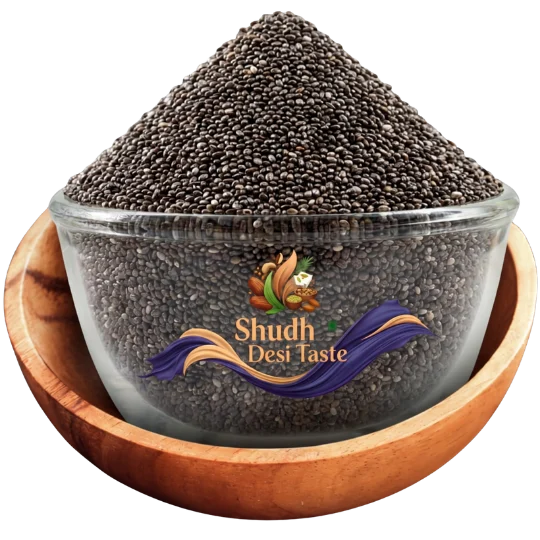
Royal Premium Chia Seeds
Royal premium chia seeds — a true superfood rich in fiber, omega-3, and protein. Add to smoothies, yogurt, or make chia pudding for natural sweetness.
 AAA Grade
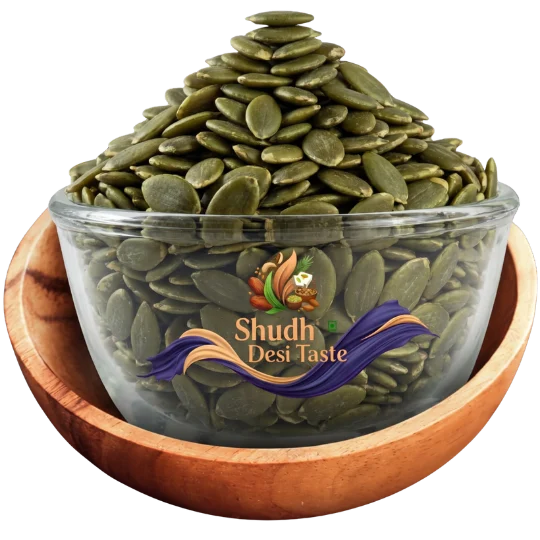
Premium Pumpkin Seeds
Premium raw pumpkin seeds (AAA grade) — excellent source of zinc, magnesium, and plant-based protein. Perfect snack for sustained energy without sugar crashes.
 Omega-3
Premium Flax Seeds (Alsi)
Premium flax seeds (alsi) — one of the richest plant sources of omega-3 fatty acids and lignans. Add to smoothies, oatmeal, or bake for natural nutrition boost.
How to Read Labels: Identifying Hidden Sweeteners
Become a label-reading expert
Artificial sweeteners hide under many different names on ingredient labels. Here's your guide to identifying them and making informed choices.
Common Names for Artificial Sweeteners
Aspartame
Also: Equal, NutraSweet, AminoSweet, L-aspartyl-L-phenylalanine methyl ester
Sucralose
Also: Splenda, Trichlorosucrose, E955
Saccharin
Also: Sweet'N Low, Sweet Twin, Necta Sweet, E954
Acesulfame K
Also: Ace-K, Sunett, Sweet One, E950
Neotame
Also: Newtame, E961
Advantame
Also: E969 (newer sweetener)
Sugar Alcohols
Erythritol, Xylitol, Sorbitol, Maltitol, Mannitol, Isomalt, Lactitol
Natural Sweeteners
Stevia, Monk Fruit, Erythritol (natural form) - generally safer options
Label Reading Checklist
What to Look For
Ingredients list — Check for artificial sweetener names
"Sugar-free" claims — Often means artificial sweeteners added
Total carbohydrate content — Includes sugar alcohols
Serving size — "Zero calories" may be per tiny serving
Hidden sugars — Look for names ending in "-ose" (dextrose, fructose)
Multiple sweeteners — Often blended to mask aftertastes
"Natural flavors" — Vague term, may include sweeteners
Ingredient order — Listed by quantity (highest first)
The Simplest Rule
If you can't pronounce an ingredient, your body probably can't either. Choose products with short, simple ingredient lists featuring whole foods you recognize. Shudh Desi Taste products contain only natural, pronounceable ingredients — no artificial chemicals, preservatives, or sweeteners.
Common Myths vs Facts About Sugar-Free Foods
Separating truth from marketing
"Sugar-free foods are always healthier than regular versions"
Sugar-free doesn't automatically mean healthy. Many sugar-free products are highly processed, contain artificial sweeteners with potential health concerns, and may have other unhealthy ingredients. A small amount of real sugar in a whole food is often healthier than a sugar-free processed product.
"Diet soda helps you lose weight"
Research shows the opposite. The WHO 2023 guidelines found no long-term weight loss benefit from non-sugar sweeteners. Observational studies consistently show diet soda drinkers have higher obesity rates. The San Antonio Heart Study found diet soda consumption was associated with 60% increased risk of weight gain.
"Artificial sweeteners don't affect blood sugar at all"
While artificial sweeteners don't directly raise blood sugar like sucrose, they may affect glucose metabolism through gut microbiome changes and insulin response. The 2022 Weizmann Institute study showed artificial sweeteners altered glucose responses in humans.
"All artificial sweeteners have been proven safe"
While approved by regulatory agencies, research on artificial sweeteners is ongoing. WHO's 2023 classification of aspartame as "possibly carcinogenic" (Group 2B) shows that safety assessments can change as new evidence emerges. Long-term effects are still being studied.
"Sugar-free products are safe for children"
Children may be more vulnerable to artificial sweeteners due to lower body weight and developing systems. The AAP advises caution with artificial sweeteners in children. Long-term effects of early exposure are not well-studied. Whole foods are always the better choice for children.
"Natural sweeteners like honey and jaggery are completely safe"
While natural sweeteners like honey, jaggery, and dates are better than artificial alternatives, they still contain sugar and should be consumed in moderation. The WHO recommends less than 10% of daily calories from free sugars. Natural doesn't mean unlimited.
"Stevia is completely natural and has no side effects"
While stevia is generally considered safe, many commercial "stevia" products contain only small amounts of actual stevia extract blended with other ingredients. Highly processed stevia extracts may have different effects than whole-leaf stevia. Choose pure, minimally processed products.
"Sugar alcohols are harmless because they're 'natural'"
Sugar alcohols can cause significant digestive issues including gas, bloating, cramps, and diarrhea. Recent research also raises concerns about cardiovascular effects. While better than artificial sweeteners for some, they're not risk-free. Individual tolerance varies significantly.
"If it's approved by FDA, it must be completely safe"
Regulatory approvals are based on available evidence at the time of review, which can change. Many substances once considered safe were later restricted (trans fats, certain food dyes). Continuous research may reveal new concerns. Staying informed about emerging research is important.
"Sugar is the enemy - all sugar is bad"
Natural sugars in whole foods (fruits, vegetables, dairy) come packaged with fiber, vitamins, minerals, and phytonutrients that support health. The problem is added sugars and excessive consumption, not all sugar. Whole fruits are healthy despite containing natural sugar.
Expert Opinions & Professional Perspectives
What nutritionists and health professionals say
Nutrition Expert Perspective
Clinical Nutritionist & Wellness Expert
The shift toward artificial sweeteners was based on good intentions — reducing sugar intake. However, we now understand that replacing sugar with artificial chemicals isn't the solution. The body responds to sweetness in complex ways, and artificial sweeteners may disrupt metabolism, gut health, and appetite regulation. My recommendation: focus on whole foods, gradually reduce overall sweetness preference, and use natural sweeteners like dates, honey, and jaggery in moderation. Your taste buds will adapt in 2-3 weeks.
WHO Position (2023)
World Health Organization Guidelines
The WHO advises against using non-sugar sweeteners for weight control or reducing risk of noncommunicable diseases. The recommendation is conditional, based on systematic review of evidence suggesting no long-term benefits and potential undesirable effects from long-term use, including increased risk of type 2 diabetes, cardiovascular diseases, and mortality in adults. The WHO recommends reducing overall sweetness in the diet rather than substituting sugar with artificial alternatives.
Shudh Desi Taste Philosophy
Our Commitment to Natural Nutrition
At Shudh Desi Taste, we believe in the power of whole, natural foods. Our ancestors thrived for thousands of years on natural sweeteners like jaggery, honey, dates, and fruits — not artificial chemicals. We're committed to providing premium quality natural foods that nourish your body the way nature intended. Our products contain no artificial sweeteners, preservatives, or chemicals — just pure, natural nutrition as it should be.
Frequently Asked Questions
Your sugar-free questions answered
Are sugar-free foods better than regular sugar?
Not necessarily. While sugar-free foods reduce calorie intake, artificial sweeteners like aspartame, sucralose, and saccharin may disrupt gut microbiome, trigger insulin responses, and increase sugar cravings. The WHO 2023 guidelines advise against using non-sugar sweeteners for long-term weight control. Natural alternatives like dates, honey, and jaggery in moderation are generally considered healthier choices.
What are the side effects of artificial sweeteners?
Common side effects include digestive issues (bloating, gas, diarrhea), headaches, altered gut bacteria, increased sugar cravings, and potential metabolic disruption. Long-term studies suggest possible links to weight gain, type 2 diabetes, and cardiovascular issues, though research is ongoing. Individual responses vary significantly.
Is aspartame safe to consume?
Aspartame is approved by FDA, EFSA, and FSSAI within acceptable daily intake (ADI) limits. However, the WHO's 2023 classification of aspartame as "possibly carcinogenic to humans" (Group 2B) has raised concerns. People with phenylketonuria (PKU) must avoid aspartame completely. Moderation is key, and natural alternatives are often preferred.
Does diet soda help with weight loss?
Research shows mixed results. While diet soda has zero calories, studies suggest it may increase appetite, sugar cravings, and overall calorie intake. The San Antonio Heart Study found diet soda drinkers had higher obesity rates. The WHO 2023 guidelines suggest non-sugar sweeteners don't provide long-term weight control benefits.
What is the healthiest natural sugar alternative?
Natural alternatives include dates (rich in fiber and minerals), raw honey (contains enzymes and antioxidants), jaggery/gur (minerals like iron and magnesium), stevia (zero-calorie plant-based), monk fruit (natural zero-calorie), and coconut sugar (lower glycemic index). Whole fruits are always the best choice as they provide fiber, vitamins, and minerals along with natural sweetness.
Are artificial sweeteners safe for diabetics?
While artificial sweeteners don't directly raise blood sugar, research shows they may affect insulin sensitivity and glucose metabolism through gut microbiome disruption. Diabetics should consult their healthcare provider. Natural alternatives like stevia and monk fruit in moderation, along with whole foods, are generally considered safer options.
What does the WHO say about artificial sweeteners?
The WHO's 2023 guideline advises against using non-sugar sweeteners (NSS) for weight control, citing potential long-term risks including increased type 2 diabetes and cardiovascular disease. In 2023, WHO also classified aspartame as "possibly carcinogenic to humans" (Group 2B). The WHO recommends reducing overall sweetness in the diet rather than substituting sugar with artificial alternatives.
Do artificial sweeteners affect gut health?
Yes, research shows artificial sweeteners can alter gut microbiome composition. Studies in the Journal of Nutrition (2022) found that sucralose and saccharin reduced beneficial gut bacteria and increased glucose intolerance. This disruption may contribute to metabolic issues, inflammation, and digestive problems.
Is stevia a safe sugar substitute?
Stevia is generally considered safe and is a natural plant-based sweetener. It has zero calories, doesn't raise blood sugar, and some studies suggest potential health benefits including blood pressure regulation. However, highly processed stevia extracts may have different effects than whole-leaf stevia. Choose pure, minimally processed stevia products.
Can children consume artificial sweeteners?
The American Academy of Pediatrics advises caution with artificial sweeteners in children. Children may be more vulnerable due to lower body weight and developing systems. Long-term effects of early exposure are not well-studied. Whole foods and natural sweeteners in moderation are always the better choice for children.
Are sugar alcohols like erythritol safe?
Sugar alcohols are generally considered safe but can cause digestive issues (gas, bloating, diarrhea) in many people. A 2023 study raised concerns about erythritol and cardiovascular risk. Xylitol is toxic to dogs. While better than artificial sweeteners for some, sugar alcohols are not risk-free and individual tolerance varies.
How can I reduce my sugar intake naturally?
Gradually reduce sweetness in your diet — your taste buds adapt in 2-3 weeks. Choose whole fruits instead of sugary snacks. Use natural sweeteners like dates, honey, or jaggery in small amounts. Read labels carefully to identify hidden sugars. Include protein and healthy fats to reduce cravings. Stay hydrated and get enough sleep.
Is honey better than sugar?
Raw honey is generally considered better than refined sugar because it contains enzymes, antioxidants, and trace minerals. It also has antimicrobial properties. However, honey is still a form of sugar and should be consumed in moderation. Choose raw, unprocessed honey over commercial varieties.
What's the difference between jaggery and sugar?
Jaggery (gur) is unrefined sugar made from sugarcane or palm. Unlike refined white sugar, jaggery retains minerals like iron, magnesium, and potassium. It has a lower glycemic index and contains antioxidants. However, it's still a form of sugar and should be consumed in moderation.
Are dates a healthy sweetener alternative?
Yes! Dates are one of the healthiest natural sweeteners. They're rich in fiber, potassium, magnesium, and antioxidants. The fiber slows sugar absorption, preventing blood sugar spikes. Dates can be used to sweeten smoothies, oatmeal, and baked goods. Shudh Desi Taste offers premium quality dates from various regions.
Can I completely eliminate sugar from my diet?
You don't need to eliminate all sugar — your body needs glucose for energy. The goal is to eliminate added sugars and excessive consumption. Natural sugars in whole fruits, vegetables, and dairy come with beneficial nutrients. Focus on reducing processed foods and added sugars while enjoying whole foods in moderation.
How long does it take to reduce sugar cravings?
Most people notice reduced sugar cravings within 2-3 weeks of gradually reducing sugar intake. Your taste buds adapt, and you'll start enjoying the natural sweetness of whole foods more. Including protein, healthy fats, and fiber in your meals helps stabilize blood sugar and reduce cravings.
Are "keto" sweeteners safe?
Many keto products use sugar alcohols (erythritol, xylitol, maltitol) and artificial sweeteners. While they fit keto macros, they may have the same concerns as other artificial sweeteners. Some sugar alcohols cause digestive issues. Read labels carefully and choose products with minimal processing. Natural alternatives like stevia and monk fruit are often better keto-friendly options.
Is coconut sugar healthier than regular sugar?
Coconut sugar has a slightly lower glycemic index than regular sugar and contains small amounts of minerals and inulin fiber. However, it's still primarily sugar and should be consumed in moderation. It's a better choice than refined sugar but not a "health food" to be consumed freely.
What should I look for when buying sweeteners?
Choose products with short, simple ingredient lists featuring whole foods you recognize. Avoid products with artificial sweeteners, excessive processing, or unpronounceable ingredients. Look for natural sweeteners like raw honey, pure maple syrup, or whole fruits. Shudh Desi Taste products contain only natural, pronounceable ingredients.
Conclusion: The Path Forward
Making informed choices for your health
After examining the science, WHO guidelines, and emerging research, the message is clear: "sugar-free" doesn't automatically mean healthy. Artificial sweeteners, while approved by regulatory agencies, come with their own set of concerns that are only now being fully understood.
The path forward isn't about replacing sugar with artificial chemicals — it's about reducing overall sweetness preference and choosing whole, natural foods that provide sweetness along with valuable nutrients.
Key Takeaways
What to Remember
- WHO advises against non-sugar sweeteners for long-term weight control (2023 guidelines)
- Artificial sweeteners may disrupt gut health, metabolism, and appetite regulation
- Diet foods don't guarantee weight loss — research shows opposite effects in many cases
- Natural alternatives exist — dates, honey, jaggery, stevia, and whole fruits offer sweetness with nutrition
- Moderation is key — whether sugar or sweeteners, excess of either is problematic
- Whole foods first — focus on unprocessed, natural foods for optimal health
- Your taste buds adapt — reduce sweetness gradually, and you'll enjoy natural flavors more
- Read labels carefully — artificial sweeteners hide under many names
- Consult healthcare providers for personalized advice, especially if you have medical conditions
- Shudh Desi Taste offers premium natural alternatives — whole foods without artificial chemicals
The food industry has spent decades convincing us that artificial is better than natural. But our ancestors thrived for thousands of years on natural sweeteners — dates, honey, jaggery, fruits. Perhaps it's time to return to that wisdom.
Remember: you don't need artificial chemicals to enjoy sweetness. Nature provides abundant options that satisfy your sweet tooth while nourishing your body. The choice is yours — and now you have the information to make it wisely.
Medical Disclaimer
Important: This article is for informational and educational purposes only and is not intended as medical advice. The information presented is based on current scientific research, which is ongoing and evolving. Individual responses to artificial sweeteners and dietary changes vary significantly.
Always consult with a qualified healthcare professional before making significant changes to your diet, especially if you have diabetes, metabolic conditions, are pregnant or nursing, or are taking medications. Do not use this information to self-diagnose or self-treat any health condition.
No medical claims: This article does not claim that any specific food, supplement, or dietary approach can cure, treat, or prevent any disease. The content discusses potential health impacts based on available research, but more studies are needed to fully understand long-term effects.
Research limitations: Many studies cited are observational, showing associations rather than causation. Randomized controlled trials (the gold standard) are fewer and often shorter-term. The science is evolving, and recommendations may change as new evidence emerges.
Shudh Desi Taste is a food brand, not a medical practice. Our products are natural foods, not medical treatments. We encourage informed decision-making based on professional medical advice and personal health circumstances.

Shudh Desi Taste
Pure · Natural · Desi
At Shudh Desi Taste, we believe in the power of whole, natural foods. Our mission is simple: to bring you premium quality dry fruits, nuts, seeds, dates, and natural foods that are 100% natural, chemical-free, and packed with goodness — exactly as nature intended.
We stand against the trend of artificial sweeteners and highly processed "diet" foods. Our products contain no artificial chemicals, preservatives, colors, or flavors. Just pure, natural nutrition from trusted sources across India and the world.
Our name reflects our promise — "Shudh" (Pure), "Desi" (Traditional/Authentic), and "Taste" (Flavor & Experience). We're dedicated to preserving the authentic taste and nutritional value of traditional foods while making them accessible to health-conscious consumers across India.
With over 50,000 happy customers and 7,608+ verified reviews, we're proud to be India's trusted source for premium natural foods. Every pack we ship carries our commitment to quality, authenticity, and your satisfaction.
Choose Natural. Choose Pure. Choose Shudh Desi Taste.
Join thousands of health-conscious customers who trust Shudh Desi Taste for premium quality natural foods. No artificial sweeteners, no preservatives, no chemicals — just pure nutrition as nature intended.
Shop All Natural Products