

Plant-Based vs. Animal-Based: Can You Get Enough Omega-3 from Flax and Walnuts?
July 4, 2026
ADHD and Focus in Kids/Adults: How Omega-3s Change Brain Chemistry
July 4, 2026
"Fat Makes You Fat"
Debunking the Biggest Nutrition Myth of the 21st Century
For decades, we've been told to fear fat. But modern science has completely overturned this narrative. Discover why healthy fats from premium nuts, seeds, and traditional foods are essential for your heart, brain, and metabolic health — and how the "low-fat" revolution may have done more harm than good.
Quick Navigation
Jump to any section of this comprehensive guide
Introduction: The Great Fat Phobia
How a flawed study changed global nutrition for 50 years
Walk into any grocery store, and you'll see shelves lined with "low-fat," "fat-free," and "reduced-fat" products. Open a popular diet book, and you'll find warnings against the very nutrients our ancestors thrived on for millennia. Yet paradoxically, as fat consumption has plummeted over the past 50 years, obesity, diabetes, and heart disease have skyrocketed.
This isn't coincidence. It's the result of one of the greatest scientific missteps in modern nutritional history — a misstep that has cost millions of lives and countless dollars in healthcare.
In this comprehensive, evidence-based guide, we're going to dismantle the "fat makes you fat" myth piece by piece. We'll examine the flawed research that started it all, explore the modern science that debunks it, and reveal why healthy fats from premium sources like almonds, walnuts, chia seeds, flax seeds, and traditional superfoods are not just safe — they're absolutely essential for optimal health.
Whether you're trying to lose weight, improve heart health, boost brain function, or simply understand what you should really be eating, this guide will transform your relationship with one of nature's most misunderstood macronutrients.
Key Takeaways From This Guide
- The "fat makes you fat" myth originated from flawed 1960s research that has since been thoroughly debunked by modern science.
- Dietary fat does not directly cause weight gain — caloric surplus does, regardless of macronutrient source.
- Healthy fats (omega-3s, MUFAs, MCTs) support weight management by promoting satiety, stabilizing blood sugar, and enhancing metabolic function.
- Premium nuts and seeds like almonds, walnuts, chia seeds, and flax seeds provide the highest quality healthy fats with additional micronutrients.
- The type of fat matters more than the amount — focus on quality sources, not just quantity.
The History: How the Fat Myth Began
From Ancel Keys to the low-fat revolution
To understand why we fear fat, we need to travel back to the 1950s and examine the research that shaped modern nutritional policy. The story begins with a scientist named Ancel Keys and his controversial Seven Countries Study.
1950s
Ancel Keys' Seven Countries Study
Ancel Keys published research suggesting a correlation between dietary fat intake and heart disease across seven countries. However, the study was methodologically flawed — Keys cherry-picked data from countries that supported his hypothesis while ignoring data from countries that contradicted it (like France, where high fat consumption correlated with low heart disease rates).
1961
American Heart Association Recommendation
Based on Keys' incomplete data, the American Heart Association issued its first recommendation to reduce dietary fat. This marked the beginning of the "low-fat" era in American nutrition policy.
1977
US Dietary Goals Published
The US government published "Dietary Goals for the United States," recommending that Americans reduce total fat intake to 30% of calories and saturated fat to 10%. These guidelines were adopted despite objections from many scientists who pointed out the weak evidence base.
1980s
The Low-Fat Food Boom
Food manufacturers capitalized on the low-fat trend, creating thousands of "low-fat" and "fat-free" products. To maintain taste and texture, they replaced fat with refined carbohydrates and sugar — setting the stage for the obesity epidemic.
1992
USDA Food Pyramid
The USDA Food Pyramid placed fats and oils at the tiny tip, recommending minimal consumption, while bread, rice, and pasta formed the massive base. This visual representation reinforced the low-fat message for an entire generation.
2000s-2010s
The Scientific Reckoning
Multiple large-scale meta-analyses failed to find significant associations between saturated fat intake and heart disease. The Women's Health Initiative (the largest dietary study ever conducted) found that a low-fat diet did not reduce heart disease, cancer, or weight gain. The scientific consensus began to shift.
2015-2026
Modern Understanding
Current research emphasizes fat quality over quantity. The 2020-2025 Dietary Guidelines for Americans removed the strict upper limit on total fat intake, acknowledging that healthy fats are an essential part of a balanced diet. The myth is finally being dismantled.
The Consequences of the Low-Fat Era
During the decades of low-fat dietary recommendations (1970s-2000s), obesity rates in the United States tripled, type 2 diabetes increased fivefold, and heart disease remained the leading cause of death. The "low-fat" approach failed spectacularly, yet its legacy continues to influence food choices today.
The Science: Debunking the Fat Myth
What modern research actually shows
Over the past two decades, nutritional science has undergone a revolution in our understanding of dietary fats. Large-scale, well-designed studies have consistently failed to support the "fat makes you fat" hypothesis. Here's what the evidence actually shows:
The Women's Health Initiative (2006)
Source: Journal of the American Medical Association (JAMA)
The largest dietary study ever conducted, involving 48,835 postmenopausal women over 8 years. The low-fat diet group showed NO significant reduction in breast cancer, colorectal cancer, or heart disease. Weight loss difference was negligible (0.4 kg after 7.5 years). This study fundamentally undermined the low-fat hypothesis.
Meta-Analysis: Saturated Fat and Heart Disease (2010)
Source: American Journal of Clinical Nutrition
A meta-analysis of 21 prospective epidemiological studies with 347,747 subjects found NO significant evidence that dietary saturated fat is associated with increased risk of coronary heart disease, stroke, or cardiovascular disease. This challenged decades of conventional wisdom.
PREDIMED Study (2013, updated 2018)
Source: New England Journal of Medicine
A landmark randomized trial of 7,447 participants showed that a Mediterranean diet supplemented with extra-virgin olive oil or nuts (high healthy fat) reduced major cardiovascular events by 30% compared to a low-fat control diet. This was so significant the trial was stopped early for ethical reasons — it would have been wrong to deny participants the benefits.
PURE Study (2017)
Source: The Lancet
The Prospective Urban Rural Epidemiology (PURE) study followed 135,335 people across 18 countries for 7.4 years. Higher fat intake (including saturated fat) was associated with LOWER total mortality. Higher carbohydrate intake was associated with HIGHER total mortality. This completely reversed conventional dietary recommendations.
Almonds and Weight Management (Multiple Studies)
Source: Multiple journals including Obesity Reviews
Multiple randomized controlled trials show that regular almond consumption does NOT lead to weight gain despite being calorie-dense. In fact, almond consumers tend to have LOWER BMI than non-consumers. This is attributed to almonds' satiety-promoting properties and incomplete fat absorption (only about 80% of almond fat is digestible).
Walnut Consumption and Cognitive Function (2020)
Source: Journal of Nutrition, Health & Aging
Research shows walnut consumption (rich in omega-3 ALA) is associated with better cognitive test scores, particularly in older adults. The walnut's brain-like appearance isn't coincidence — it's packed with nutrients specifically beneficial for brain health.
Meta-Analysis: Nut Consumption and Mortality (2016)
Source: BMC Medicine
A meta-analysis of 29 studies with 819,448 participants found that nut consumption was associated with reduced risk of coronary heart disease (29% reduction), stroke (7% reduction), and all-cause mortality (22% reduction). The more nuts consumed (up to 28g/day), the greater the benefit.
Dr. Walter Willett
Professor of Epidemiology and Nutrition, Harvard T.H. Chan School of Public Health
The total amount of fat in the diet is really not related to disease risk. What matters is the TYPE of fat. Replacing saturated and trans fats with unsaturated fats reduces heart disease risk, but simply reducing total fat without considering quality provides no benefit.
Types of Dietary Fats: A Complete Guide
Understanding the different categories of fat
Not all fats are created equal. Understanding the different types of dietary fats is crucial for making informed food choices. Let's break down each category:
Monounsaturated Fats (MUFAs)
The "heart-healthy" fats. MUFAs help reduce bad LDL cholesterol while maintaining good HDL cholesterol. They improve insulin sensitivity and reduce inflammation. Primary MUFA is oleic acid (omega-9).
Polyunsaturated Fats (PUFAs)
Essential fats your body cannot produce. Includes omega-3 (anti-inflammatory) and omega-6 (pro-inflammatory in excess). Balance between these two is critical for health. Found in seeds, nuts, and fatty fish.
Saturated Fats
Once demonized, now understood to be neutral in moderation from whole food sources. Saturated fats from nuts, dairy, and coconut behave differently than those from processed foods. Context matters significantly.
Trans Fats (Artificial)
Universally harmful. Created by hydrogenating vegetable oils. Raise LDL cholesterol, lower HDL cholesterol, increase inflammation, and significantly raise cardiovascular disease risk. Banned in many countries.
Medium-Chain Triglycerides (MCTs)
Unique fats that bypass normal digestion and go directly to the liver for quick energy. Support brain function, may aid weight management, and provide rapid fuel for athletes. Found in coconut and palm kernel.
Phospholipids
Structural fats essential for cell membranes. Lecithin (a phospholipid) supports brain health, liver function, and cholesterol metabolism. Found in egg yolks and soybeans.
Key Insight: Fat Quality Over Quantity
Modern nutritional science emphasizes that the TYPE and SOURCE of fat matters far more than the total amount. Replacing saturated fats with refined carbohydrates (as happened during the low-fat era) actually INCREASES heart disease risk. The goal should be replacing unhealthy fats with healthy ones, not eliminating fat entirely.
Benefits of Healthy Fats
Why your body needs quality dietary fats
Healthy fats are not just "not harmful" — they're actively beneficial for nearly every system in your body. Here are the scientifically-backed benefits:
Heart Health Protection
MUFAs and omega-3s reduce triglycerides, lower blood pressure, decrease inflammation, prevent arterial plaque formation, and reduce risk of heart attack and stroke by up to 30%.
Brain Function & Memory
Your brain is 60% fat. Omega-3 DHA is a major structural component. Healthy fats support memory, learning, mood regulation, and may reduce risk of Alzheimer's and cognitive decline.
Weight Management
Healthy fats promote satiety, stabilize blood sugar, reduce cravings, and support metabolic function. Research shows nut consumers have lower BMI despite higher fat intake.
Eye Health
Omega-3s are essential for retinal health. They reduce risk of macular degeneration, dry eye syndrome, and support overall visual function throughout life.
Reduced Inflammation
Omega-3s are powerful anti-inflammatory agents. They help combat chronic inflammation linked to heart disease, cancer, arthritis, diabetes, and autoimmune conditions.
Bone Health
Healthy fats enhance calcium absorption and support bone mineral density. Omega-3s may reduce risk of osteoporosis and fractures, especially in postmenopausal women.
Skin Health & Beauty
Essential fatty acids maintain skin barrier function, reduce acne, prevent premature aging, and promote wound healing. They give skin its natural glow and elasticity.
Immune System Support
Fats are essential for immune cell function and production of anti-inflammatory compounds. They support your body's defense against infections and disease.
Hormone Production
Fats are precursors to steroid hormones including testosterone, estrogen, and cortisol. Adequate healthy fat intake is essential for hormonal balance and reproductive health.
Athletic Performance
Healthy fats provide sustained energy for endurance activities, support muscle recovery, reduce exercise-induced inflammation, and enhance overall athletic performance.
Pregnancy & Child Development
Omega-3 DHA is critical for fetal brain and eye development. Adequate maternal fat intake supports healthy pregnancy outcomes and child cognitive development.
Mental Health & Mood
Omega-3s support neurotransmitter function and reduce inflammation in the brain. Studies link higher omega-3 intake with reduced risk of depression and anxiety.
Omega Fatty Acids: The Essential Fats
Understanding omega-3, omega-6, and omega-9
Among all dietary fats, omega fatty acids deserve special attention. They're "essential" — meaning your body cannot produce them, so you must get them from food. Let's break down each type:
| Feature | Omega-3 | Omega-6 | Omega-9 |
|---|---|---|---|
| Type | Polyunsaturated | Polyunsaturated | Monounsaturated |
| Essential? | Yes (ALA, EPA, DHA) | Yes (Linoleic Acid) | No (body can produce) |
| Primary Function | Anti-inflammatory, brain health | Pro-inflammatory (in excess) | Heart health, cholesterol |
| Modern Diet Status | Deficient in most people | Excessive in most people | Adequate |
| Ideal Ratio (6:3) | 1:1 to 4:1 (ancestral ratio) | N/A | |
| Current Western Ratio | 15:1 to 20:1 (problematic) | N/A | |
| Best Food Sources | Walnuts, chia, flax, fish | Sunflower, pumpkin seeds | Almonds, olive oil, avocado |
| Daily Target | 1.6g (men), 1.1g (women) | 17g (men), 12g (women) | No specific recommendation |
The Omega-6 Problem
The modern Western diet contains 15-20 times more omega-6 than omega-3, compared to the ancestral ratio of 1:1 to 4:1. This imbalance promotes chronic inflammation and is linked to heart disease, cancer, arthritis, and autoimmune conditions. The solution isn't eliminating omega-6 (it's essential), but dramatically increasing omega-3 intake through foods like walnuts, chia seeds, and flax seeds.
Types of Omega-3
There are three main types of omega-3 fatty acids, each with different roles:
- ALA (Alpha-Linolenic Acid): Plant-based omega-3 found in walnuts, chia seeds, flax seeds. Your body must convert ALA to EPA and DHA, but conversion rates are low (5-10%). You need to consume more ALA to get adequate EPA/DHA.
- EPA (Eicosapentaenoic Acid): Primarily found in fatty fish. Powerful anti-inflammatory. Supports heart health, reduces depression symptoms, and combats inflammation.
- DHA (Docosahexaenoic Acid): Primarily found in fatty fish. Critical structural component of brain tissue and retinas. Essential for fetal brain development and cognitive function throughout life.
For vegetarians and vegans, plant-based ALA sources (walnuts, chia, flax) are essential. Consider algae-based DHA supplements for direct DHA intake.
Best Sources of Healthy Fats
Premium nuts, seeds, and traditional superfoods
Not all fat sources are equal. The best sources provide healthy fats PLUS additional nutrients like protein, fiber, vitamins, minerals, and antioxidants. Here are the top-tier healthy fat sources:
| Food Source | Total Fat (per 30g) | Primary Fat Type | Key Nutrients | Health Benefits |
|---|---|---|---|---|
| California Almonds | 14g | MUFA (oleic acid) | Vitamin E, protein, fiber | Heart health, skin, weight management |
| Kashmiri Mamra Almonds | 15g | MUFA (higher oil content) | Vitamin E, magnesium | Brain health, traditional medicine |
| Kashmiri Walnuts | 18g | PUFA (omega-3 ALA) | Omega-3, antioxidants | Brain function, heart health |
| Chia Seeds | 9g | PUFA (omega-3 ALA) | Fiber, protein, calcium | Digestion, omega-3 boost |
| Flax Seeds | 12g | PUFA (omega-3 ALA) | Lignans, fiber | Hormonal balance, heart health |
| Sunflower Seeds | 14g | PUFA (omega-6) | Vitamin E, selenium | Skin health, immunity |
| Pumpkin Seeds | 14g | PUFA (omega-6) | Zinc, magnesium, iron | Prostate health, sleep, immunity |
| 6+ Suta Makhana | 0.1g (very low) | Minimal fat | Protein, fiber, magnesium | Weight management, heart health |
Pro Tip: Variety is Key
Don't rely on just one fat source. Rotate between almonds, walnuts, chia seeds, flax seeds, sunflower seeds, and pumpkin seeds throughout the week. This ensures you get a diverse range of fatty acids, micronutrients, and antioxidants for comprehensive health benefits.
Premium Healthy Fat Sources from Shudh Desi Taste
Handpicked, FSSAI certified, 100% natural
Ready to incorporate these healthy fats into your diet? Here are our premium, FSSAI-certified products — carefully sourced for maximum quality, freshness, and nutritional value:
 Heart Healthy
Premium California Almonds | Badam Giri | Natural Unpolished
 Brain Food
Premium Kashmiri Mamra Almonds | Original Kashmir Harvest | High Oil Content
 High Oil
Premium Gurbandi Almonds | Choti Giri | Grade A | Extra High Oil Content
 Omega-3 Rich
Premium Kashmiri Walnut RBH | Grade A Akhrot Kernels | Without Shell
 Brain Health
Premium Kashmiri Walnut ELH | Extra Light Halves | Grade A Akhrot Kernels
 Low Fat Snack
Premium 6+ Suta Makhana | Super Jumbo Fox Nuts | Low Fat Protein Snack
 Vitamin E
Premium Sunflower Seeds | Without Shell | Surajmukhi Beej | Vitamin E Rich
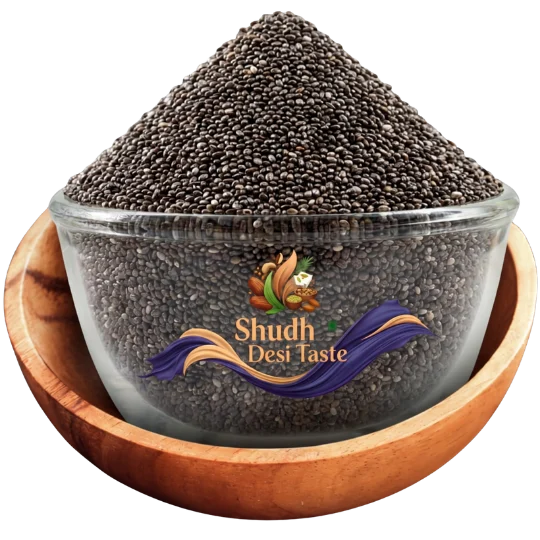 Omega-3
Royal Premium Chia Seeds | High Fiber | Omega-3 | Protein Superfood
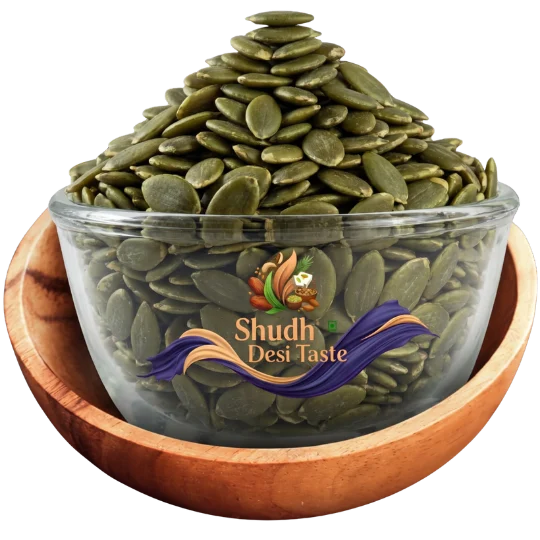 Zinc Rich
 Omega-3
Fats & Weight Loss: The Paradox
Why eating fat can help you lose weight
Here's the counterintuitive truth that nutrition science has finally embraced: eating healthy fats can actually help you lose weight. This seems paradoxical given that fat is the most calorie-dense macronutrient (9 calories per gram vs 4 for carbs and protein). But here's why it works:
Enhanced Satiety
Fats trigger release of satiety hormones (CCK, PYY, GLP-1) that signal fullness to your brain. You naturally eat fewer calories throughout the day when meals include healthy fats.
Blood Sugar Stability
Fats slow gastric emptying and carbohydrate absorption, preventing blood sugar spikes and crashes that trigger hunger and cravings. Stable blood sugar = fewer cravings.
Metabolic Boost
MCTs and omega-3s may increase metabolic rate and fat oxidation. Some studies show MCT consumption increases calories burned by 5-10% compared to other fats.
Reduced Cravings
Adequate fat intake satisfies your body's need for this essential macronutrient, reducing compulsive snacking and binge eating triggered by nutritional deficiencies.
Incomplete Absorption
Research shows only about 80% of fat from almonds is actually absorbed — the rest is excreted. So the "calories" listed overestimate actual caloric intake from nuts.
Hormonal Balance
Healthy fats support production of hormones that regulate metabolism, appetite, and fat storage. Low-fat diets can disrupt these hormones, making weight loss harder.
Almond Consumption & Weight Study
Source: International Journal of Obesity
A 24-week randomized controlled trial found that overweight adults who added 50-100g of almonds daily to their diet lost MORE weight and body fat than the control group, despite almonds being calorie-dense. The almond group also showed greater reductions in waist circumference.
Mediterranean Diet & Weight Management
Source: New England Journal of Medicine (PREDIMED)
The PREDIMED study found that participants on a Mediterranean diet (high in healthy fats from olive oil and nuts) had similar or better weight outcomes compared to the low-fat group, with significantly better cardiovascular markers and diabetes prevention.
Important: Portion Control Still Matters
While healthy fats support weight management, they are still calorie-dense. The key is to REPLACE unhealthy fats and refined carbs with healthy fats, not simply ADD them to your existing diet. A handful (30g) of nuts daily is the research-backed sweet spot for benefits without excessive calories.
Heart Health & Dietary Fats
What the evidence actually shows
Perhaps no area of nutrition has been more affected by the fat myth than heart health. For decades, we were told to avoid all fats to protect our hearts. But modern research paints a much more nuanced picture:
Lowers LDL Cholesterol
MUFAs (from almonds, olive oil) reduce LDL (bad) cholesterol while maintaining HDL (good) cholesterol. This improves overall cholesterol profile and reduces heart disease risk.
Reduces Blood Pressure
Omega-3s and MUFAs help relax blood vessels, reduce inflammation in arteries, and lower blood pressure. Studies show regular nut consumption reduces hypertension risk.
Prevents Arterial Plaque
Healthy fats prevent oxidation of LDL cholesterol (the form that creates arterial plaque). Antioxidants in nuts and seeds provide additional protection against atherosclerosis.
Reduces Inflammation
Chronic inflammation is a major driver of heart disease. Omega-3s are powerful anti-inflammatory agents that reduce inflammatory markers like CRP and IL-6.
Prevents Arrhythmias
Omega-3s stabilize heart rhythm and reduce risk of dangerous arrhythmias. They improve electrical conductivity in heart tissue and prevent sudden cardiac death.
Reduces Triglycerides
High triglycerides are a major heart disease risk factor. Omega-3s significantly reduce triglyceride levels, sometimes by 20-30% with regular consumption.
Dr. Frank Hu
Chair, Department of Nutrition, Harvard T.H. Chan School of Public Health
The type of fat is more important than the total amount of fat in the diet. Replacing saturated fat with refined carbohydrates does not reduce heart disease risk and may increase it. The best approach is to replace unhealthy fats with healthy unsaturated fats from nuts, seeds, fish, and plant oils.
Brain Health & Dietary Fats
Why your brain craves healthy fats
Your brain is approximately 60% fat by dry weight, making it the fattiest organ in your body. The type of fat you consume directly affects brain structure, function, and long-term cognitive health. Here's how healthy fats support your brain:
Brain Structure
DHA (omega-3) is a major structural component of brain cell membranes. It makes up 40% of polyunsaturated fats in the brain and 60% in the retina. Adequate DHA is essential for proper brain development and function.
Neural Communication
Healthy fats form the myelin sheath that insulates nerve fibers, enabling fast signal transmission. This improves processing speed, memory formation, and learning ability.
Neuroprotection
Omega-3s reduce neuroinflammation, protect against oxidative stress, and may prevent formation of amyloid plaques associated with Alzheimer's disease. Walnuts show particular promise.
Mood Regulation
Omega-3s support production of serotonin and dopamine (mood neurotransmitters). Studies link higher omega-3 intake with reduced risk of depression and anxiety.
Memory Enhancement
Research shows regular walnut and almond consumption improves memory test scores, particularly in older adults. The vitamin E in almonds protects against age-related cognitive decline.
Child Brain Development
Adequate omega-3 intake during pregnancy and childhood is critical for brain development. It supports IQ, attention span, and reduces risk of developmental disorders.
Nature's Design: Walnuts Look Like Brains
Have you ever noticed that walnuts look remarkably like human brains? This isn't coincidence — it's nature's way of signaling their brain-health benefits. Walnuts are among the richest plant sources of omega-3 ALA and contain numerous neuroprotective compounds including vitamin E, folate, melatonin, and polyphenols.
Common Myths vs Facts About Fats
Debunking the most persistent misconceptions
"All saturated fat is bad for you"
Modern research shows the relationship is more complex. Saturated fats from whole foods (nuts, dairy, coconut) behave differently than those from processed foods. Context and source matter significantly.
Fat quality matters more than quantity
Replacing saturated fat with refined carbohydrates (as happened during the low-fat era) actually increases heart disease risk. The goal should be replacing unhealthy fats with healthy ones.
"Eating fat makes you fat"
Weight gain occurs from caloric surplus, regardless of macronutrient source. In fact, healthy fats promote satiety and can support weight management when replacing refined carbs.
Healthy fats support weight loss
Research shows nut consumers tend to have lower BMI despite higher fat intake. Fats promote satiety, stabilize blood sugar, and support metabolic function.
"Low-fat products are healthier"
Most low-fat products compensate with added sugar, refined carbs, and artificial ingredients. They often contain more calories and less nutrition than full-fat versions.
Full-fat foods can be healthier
Full-fat dairy, nuts, and other whole foods provide fat-soluble vitamins (A, D, E, K) that require fat for absorption. Removing fat often removes these essential nutrients.
"Vegetable oils are always healthy"
Highly processed vegetable oils (soybean, corn, cottonseed) are high in omega-6 and prone to oxidation. They may promote inflammation when consumed in excess.
Traditional fats are often better
Cold-pressed oils, olive oil, ghee, and fats from nuts/seeds provide healthier fatty acid profiles and additional nutrients compared to highly processed industrial oils.
"Cholesterol in food raises blood cholesterol"
For most people, dietary cholesterol has minimal impact on blood cholesterol. The liver adjusts its own cholesterol production based on intake. Saturated and trans fats have greater impact.
Your body needs cholesterol
Cholesterol is essential for hormone production, cell membrane structure, vitamin D synthesis, and bile acid production. Your body produces it whether you eat it or not.
"Fat-free diets are optimal for health"
The low-fat era (1970s-2000s) coincided with dramatic increases in obesity, diabetes, and heart disease. Extremely low-fat diets can cause hormonal imbalances and nutrient deficiencies.
Moderate fat intake is optimal
Research suggests 20-35% of calories from healthy fats is optimal. Mediterranean diets (35-40% fat) consistently show superior health outcomes compared to low-fat diets.
Daily Healthy Fat Intake Guide
How much and when to consume
Based on current nutritional science and dietary guidelines, here's how to incorporate healthy fats into your daily diet:
| Food Source | Daily Amount | Best Time | Preparation | Key Benefits |
|---|---|---|---|---|
| California Almonds | 8-10 (30g) | Morning (soaked overnight) | Soak 8 hours, peel | Heart health, vitamin E |
| Kashmiri Mamra Almonds | 6-8 (30g) | Morning or pre-workout | Raw or soaked | Brain health, high oil |
| Kashmiri Walnuts | 4-6 halves (30g) | Morning or evening snack | Raw | Omega-3, brain function |
| Chia Seeds | 1-2 tbsp (15-30g) | Breakfast or smoothies | Soaked in water/milk | Omega-3, fiber, protein |
| Flax Seeds | 1-2 tbsp (ground) | Breakfast or smoothies | Ground fresh | Omega-3, lignans |
| Sunflower Seeds | 1-2 tbsp (30g) | Snack or salad topping | Raw or roasted | Vitamin E, selenium |
| Pumpkin Seeds | 1-2 tbsp (30g) | Evening (before bed) | Raw or roasted | Zinc, magnesium, sleep |
| 6+ Suta Makhana | 1-2 cups (30g) | Evening snack | Roasted with spices | Low fat, high protein |
Sample Daily Healthy Fat Plan
Morning: 8 soaked almonds + 1 tbsp chia seeds in breakfast
Mid-morning: 4 walnut halves
Lunch: 1 tbsp sunflower seeds in salad
Evening: 1 cup roasted makhana + 1 tbsp pumpkin seeds
Dinner: 1 tbsp ground flax seeds in curry or smoothie
Total healthy fats: ~50-60g (within recommended range)
Delicious Healthy Fat Recipes
Incorporate premium nuts and seeds into your meals
Omega-3 Power Smoothie
Blend 1 banana, 1 tbsp chia seeds, 1 tbsp ground flax seeds, 4 walnut halves, 1 cup almond milk, and 1 tsp honey. Provides 10g+ omega-3 ALA for brain and heart health.
Super Seed Breakfast Bowl
Overnight oats with 1 tbsp each of chia, flax, sunflower, and pumpkin seeds. Top with sliced almonds and berries. Complete healthy fat profile for the day.
Almond Energy Balls
Blend 1 cup California almonds, 1/2 cup dates, 2 tbsp cocoa powder, 1 tbsp chia seeds. Roll into balls. Perfect pre-workout snack with healthy fats and natural energy.
Trail Mix Power Pack
Combine almonds, walnuts, pumpkin seeds, sunflower seeds, and dried fruits. Portion into 30g bags for healthy snacks throughout the week. Balanced omega fatty acids.
Golden Milk with Nuts
Warm milk with turmeric, crushed almonds, walnuts, and a pinch of black pepper. Anti-inflammatory, brain-boosting drink perfect for evenings.
Seed-Crusted Fish/Chicken
Crush mix of sunflower, pumpkin, and flax seeds. Coat fish or chicken and bake. Adds healthy fats, crunch, and omega-3 to your protein meals.
Makhana Curry
Roast 6+ Suta Makhana in ghee with spices. Add to creamy tomato-cashew gravy. Traditional Indian dish that's low-fat, high-protein, and satisfying.
Chia Seed Pudding
Mix 3 tbsp chia seeds with 1 cup almond milk, vanilla, and honey. Refrigerate overnight. Top with walnuts and berries. Omega-3 rich breakfast or dessert.
Frequently Asked Questions
Everything you need to know about healthy fats
Does eating fat make you fat?
No, eating dietary fat does not directly make you fat. Weight gain occurs from a sustained caloric surplus (eating more calories than you burn), regardless of whether those calories come from fat, carbohydrates, or protein. In fact, healthy fats like those in almonds, walnuts, chia seeds, and olive oil can support weight management by promoting satiety, stabilizing blood sugar, and supporting metabolic health. The "fat makes you fat" myth originated from flawed 1960s research and has been thoroughly debunked by modern nutritional science.
What are the healthiest fats to eat?
The healthiest fats include: (1) Monounsaturated fats - found in almonds, olive oil, avocados; (2) Omega-3 polyunsaturated fats - found in walnuts, chia seeds, flax seeds; (3) MCTs (Medium-Chain Triglycerides) - found in coconut; (4) Omega-6 in balance - found in sunflower seeds, pumpkin seeds. Premium sources like Kashmiri Mamra almonds, California almonds, and raw walnuts provide these healthy fats in their most bioavailable forms.
Are saturated fats bad for heart health?
Modern research shows the relationship between saturated fats and heart health is more nuanced than previously believed. While excessive saturated fat intake may raise LDL cholesterol in some individuals, recent meta-analyses (2020-2024) found no significant association between saturated fat intake and cardiovascular disease. The source matters - saturated fats from whole foods like nuts and dairy behave differently than those from processed foods. Consult a healthcare professional for personalized advice.
How much fat should I eat daily?
According to dietary guidelines, fats should comprise 20-35% of total daily calories for adults. For a 2000-calorie diet, this equals 44-78 grams of fat daily. Focus on unsaturated fats (monounsaturated and polyunsaturated) as the majority. A handful (30g) of almonds provides 14g of healthy fat, while 1 tablespoon of chia seeds provides 4.7g of omega-3 rich fat.
Do almonds help with weight loss?
Yes, research suggests almonds can support weight management despite being calorie-dense. Studies show almond consumers tend to have lower BMI than non-consumers. Almonds' combination of protein (6g per 30g), fiber (3.5g), and healthy fats (14g) promotes satiety, reduces overall calorie intake, and stabilizes blood sugar. The fat in almonds is not fully absorbed - research shows only about 80% of almond fat is digestible.
What's the difference between omega-3, omega-6, and omega-9?
Omega-3 (alpha-linolenic acid, EPA, DHA) - anti-inflammatory, found in walnuts, chia seeds, flax seeds. Omega-6 (linoleic acid) - essential but needs balance with omega-3, found in sunflower seeds, pumpkin seeds. Omega-9 (oleic acid) - monounsaturated, heart-healthy, found in almonds, olive oil. The modern Western diet has too much omega-6 and too little omega-3. Ideal ratio is 1:1 to 4:1 (omega-6:omega-3).
Are trans fats the only bad fats?
Artificial trans fats (partially hydrogenated oils) are universally recognized as harmful and have been banned in many countries. They raise LDL cholesterol, lower HDL cholesterol, and increase cardiovascular risk. Natural trans fats from ruminant animals (in small amounts) appear to have neutral or beneficial effects. The real issue is not just trans fats - excessive omega-6 without omega-3 balance, and highly processed vegetable oils also pose health concerns.
Can healthy fats improve brain function?
Yes, the brain is 60% fat, and dietary fats are essential for brain health. Omega-3 DHA is a major structural component of brain tissue. Research shows walnuts (resembling brain shape) improve cognitive function, almonds provide vitamin E for neuroprotection, and chia/flax seeds provide plant-based omega-3 ALA. Mediterranean diet studies consistently show healthy fat consumption correlates with reduced cognitive decline.
Is the keto diet healthy because of high fat?
The ketogenic diet's health effects depend on fat quality. A "clean keto" approach emphasizing whole food fats (avocados, nuts, olive oil, fatty fish) can offer benefits. However, "dirty keto" relying on processed meats and low-quality fats may not provide the same benefits. The diet works primarily through carbohydrate restriction, not fat itself. Long-term sustainability and individual responses vary. Consult healthcare professionals before starting.
What fats are best for heart health?
For heart health, prioritize: (1) Monounsaturated fats - almonds, olive oil, avocados; (2) Omega-3 polyunsaturated fats - walnuts, chia seeds, flax seeds; (3) Plant sterols from nuts and seeds. The PREDIMED study showed Mediterranean diet with nuts reduced cardiovascular events by 30%. Avoid trans fats completely, and balance omega-6 intake with adequate omega-3.
How do I incorporate more healthy fats into my diet?
Simple strategies: (1) Start mornings with soaked almonds; (2) Add chia/flax seeds to breakfast; (3) Snack on walnuts instead of chips; (4) Use olive oil for cooking; (5) Add seeds to salads and yogurt; (6) Replace processed snacks with roasted makhana and nuts; (7) Include fatty fish 2-3 times weekly (if non-vegetarian); (8) Use avocado in sandwiches and salads.
Are all plant-based fats healthy?
Most plant-based fats are healthy, but not all. Healthy plant fats include nuts, seeds, avocados, olives, and cold-pressed oils. However, highly processed vegetable oils (soybean, corn, cottonseed, canola) are high in omega-6 and prone to oxidation. Also, some "plant-based" products may contain hydrogenated oils (trans fats). Focus on whole food sources of plant fats.
Can I get enough omega-3 from plant sources?
Yes, but you need to consume more. Plant sources provide ALA (alpha-linolenic acid), which your body must convert to EPA and DHA. Conversion rates are low (5-10%), so you need higher ALA intake. Excellent plant sources: walnuts (2.5g ALA per 30g), chia seeds (5g ALA per 30g), flax seeds (6.5g ALA per 30g). For direct DHA/EPA, consider algae-based supplements.
What's the best time to eat nuts and seeds?
Best times: (1) Morning - soaked almonds on empty stomach for maximum nutrient absorption; (2) Pre-workout - walnuts or almonds for sustained energy; (3) Evening snack - makhana or seeds to prevent dinner overeating; (4) Before bed - pumpkin seeds (magnesium promotes sleep). Avoid eating large quantities late at night as fats slow digestion.
Are roasted nuts as healthy as raw nuts?
Raw nuts are generally healthier. Roasting (especially at high temperatures) can damage healthy fats, reduce vitamin E content, and create harmful compounds. If you prefer roasted nuts, choose dry-roasted without added oils or salt. Light roasting at lower temperatures is better than high-heat roasting. Raw nuts preserve maximum nutritional value.
Conclusion: Embrace Healthy Fats
The path forward to optimal nutrition
After examining decades of research, we can confidently say: the "fat makes you fat" myth is one of the most damaging nutritional misconceptions of modern times. This flawed belief has contributed to the obesity epidemic, increased heart disease, and widespread metabolic dysfunction.
The truth, supported by overwhelming scientific evidence, is that healthy fats are essential for optimal health. They support your heart, brain, hormones, weight management, and virtually every system in your body. The key is choosing the RIGHT fats from quality sources.
Premium nuts and seeds like California almonds, Kashmiri Mamra almonds, walnuts, chia seeds, flax seeds, sunflower seeds, and pumpkin seeds provide the highest quality healthy fats along with protein, fiber, vitamins, minerals, and antioxidants. They're nature's perfect nutritional packages.
It's time to let go of outdated fear-mongering about fat and embrace the abundant health benefits that quality dietary fats provide. Your heart, brain, and overall health will thank you.
Final Recommendations
- Embrace healthy fats - Include a variety of nuts, seeds, and quality oils in your daily diet.
- Focus on quality - Choose premium, minimally processed sources like those from Shudh Desi Taste.
- Balance omega fatty acids - Increase omega-3 (walnuts, chia, flax) while moderating omega-6.
- Practice variety - Rotate different nuts and seeds throughout the week for comprehensive nutrition.
- Listen to your body - Pay attention to how different fats affect your energy, digestion, and overall well-being.
Medical Disclaimer
This article is for informational purposes only and is not intended as medical advice. The content is based on current nutritional science research, but individual responses to dietary changes vary. Always consult with a qualified healthcare professional, registered dietitian, or physician before making significant changes to your diet, especially if you have existing health conditions, are pregnant or nursing, or are taking medications. Shudh Desi Taste products are premium quality foods but are not intended to diagnose, treat, cure, or prevent any disease.

Shudh Desi Taste
Pure · Natural · Desi
At Shudh Desi Taste, we believe in bringing the purest, most authentic natural foods from around the world directly to your table. Our journey began with a simple mission: to provide premium quality dry fruits, nuts, seeds, dates, and superfoods that are 100% natural, chemical-free, and packed with goodness.
Every product we offer is carefully sourced from trusted farmers and producers who share our commitment to quality and purity. From the almond orchards of California to the walnut valleys of Kashmir, from the chia fields of South America to the makhana ponds of Bihar — we handpick only the finest ingredients to ensure you receive nothing but the best.
Our name reflects our promise — "Shudh" (Pure), "Desi" (Traditional/Authentic), and "Taste" (Flavor & Experience). We're dedicated to preserving the authentic taste and nutritional value of traditional foods while making them accessible to health-conscious consumers across India.
With over 50,000 happy customers and 7,608+ verified reviews, we're proud to be India's trusted source for premium nutrition and natural foods. Every pack we ship carries our commitment to quality, authenticity, and your satisfaction.
Start Your Healthy Fat Journey Today
Join 50,000+ happy customers who trust Shudh Desi Taste for premium quality nuts, seeds, and natural foods. Free shipping on orders above ₹1999. 7-day easy returns. 100% satisfaction guaranteed.
Shop Premium Healthy Fats Now