

Shudh Desi Taste vs Other Brands: Why Vacuum-Sealed, Chemical-Free Matters
July 1, 2026
5-Minute Healthy Breakfast Ideas Using Dry Fruits, Seeds & Dates
July 2, 2026
How to Buy Premium Dry Fruits Online
in India: 10 Red Flags to Avoid
Protect yourself from fake, adulterated, and low-quality dry fruits. This comprehensive guide reveals the 10 critical red flags every Indian buyer must know before purchasing almonds, walnuts, dates, and seeds online. Backed by FSSAI guidelines and expert nutritionists.
Quick Navigation
Jump to any section of this comprehensive guide
Introduction: The Dark Side of Online Dry Fruits Shopping
Why this guide could save you thousands of rupees
"The Indian dry fruits market is worth over ₹15,000 crores, but nearly 30% of online sales involve adulterated, mislabeled, or low-quality products. This guide will help you identify and avoid these fraudulent sellers."
India's love for dry fruits runs deep. From Diwali gifts to daily nutrition, almonds (badam), walnuts (akhrot), cashews (kaju), dates (khajoor), and seeds have become essential parts of Indian households. The convenience of online shopping has made it easier than ever to access premium dry fruits from California, Kashmir, Iran, and Oman.
However, this convenience comes with a significant risk. The online dry fruits market in India is riddled with fraudulent sellers offering fake, adulterated, or mislabeled products at attractive prices. According to FSSAI (Food Safety and Standards Authority of India) reports, nearly 30% of dry fruits sold online fail quality tests, with common issues including:
- Adulteration with cheaper varieties (California almonds sold as Mamra)
- Old stock repackaged with new labels
- Chemical treatments to enhance appearance
- Missing or fake FSSAI certifications
- No origin or sourcing information
- Unrealistically low prices indicating fraud
At Shudh Desi Taste, we've spent years building trust with our customers by providing transparent, FSSAI-certified, premium dry fruits sourced directly from trusted farms. In this comprehensive guide, we'll reveal the 10 critical red flags that indicate you're dealing with a fraudulent seller, and show you how to protect yourself when shopping for dry fruits online.
Whether you're buying Kashmiri Mamra almonds, Kashmiri walnuts, premium makhana, or chia seeds, this guide will help you make informed, safe purchasing decisions.
What You'll Learn in This Guide
- 10 Critical Red Flags: How to instantly identify fraudulent dry fruits sellers
- FSSAI Verification: How to check if a seller's certification is genuine
- Price Analysis: Understanding realistic pricing for premium dry fruits
- Origin Verification: How to verify California, Kashmiri, and Iranian products
- Quality Testing: Simple tests you can do at home to verify authenticity
- Trusted Sellers: How to find and verify legitimate dry fruits brands
Crores Market Size
Fail Quality Tests
Happy Customers
FSSAI Certified
Why Buying Fake Dry Fruits is Dangerous
Health risks and financial losses you need to know
Buying fake or adulterated dry fruits isn't just about losing money—it can have serious health consequences. Here's why this guide matters:
Health Risks of Adulterated Dry Fruits
1. Chemical Contamination: Fraudulent sellers often use chemicals like hydrogen peroxide, sulfur dioxide, or artificial colors to make old or low-quality dry fruits look fresh. These chemicals can cause:
- Allergic reactions and skin rashes
- Respiratory problems and asthma
- Digestive issues and nausea
- Long-term organ damage
2. Aflatoxin Poisoning: Old or improperly stored dry fruits can develop aflatoxins—toxic compounds produced by mold. Aflatoxin exposure is linked to:
- Liver damage and liver cancer
- Immune system suppression
- Growth impairment in children
- Acute toxicity in high doses
3. Nutritional Deception: When you buy California almonds thinking they're Kashmiri Mamra, you're paying 2-3x the price for inferior nutrition. Mamra almonds have:
- 50-60% oil content vs 45% in California almonds
- Higher Vitamin E and antioxidant levels
- Better omega-3 fatty acid profile
- Superior taste and texture
Financial Losses
The financial impact of buying fake dry fruits can be significant:
| Product | Genuine Price (1kg) | Fake Price (1kg) | Your Loss |
|---|---|---|---|
| Kashmiri Mamra Almonds | ₹2,500 - ₹3,500 | ₹800 - ₹1,200 (California) | ₹1,300 - ₹2,700 |
| Kashmiri Walnuts (ELH) | ₹1,800 - ₹2,500 | ₹600 - ₹900 (Iranian) | ₹900 - ₹1,900 |
| Medjool Dates | ₹1,500 - ₹2,200 | ₹400 - ₹700 (Regular) | ₹800 - ₹1,800 |
| 6+ Suta Makhana | ₹1,200 - ₹1,800 | ₹400 - ₹600 (3-4 Suta) | ₹600 - ₹1,400 |
As you can see, buying fake dry fruits can cost you ₹1,000-₹2,700 per kilogram. If you buy dry fruits regularly for your family, this adds up to ₹10,000-₹30,000 annually in losses.
Warning: Health Should Never Be Compromised
Beyond financial losses, consuming adulterated dry fruits can have serious health consequences. Always prioritize quality and authenticity over price. If a deal seems too good to be true, it probably is.
Red Flag #1: Unrealistically Low Prices
The #1 Indicator of Fraud
Why This is a Red Flag: Premium dry fruits have fixed production, harvesting, processing, and transportation costs. When a seller offers prices 40-50% below market rates, it's almost certainly a sign of fraud. There's no such thing as "wholesale prices for retail customers" when it comes to premium dry fruits.
How to Spot This Red Flag
Compare prices across multiple trusted sellers. Here are the realistic price ranges for premium dry fruits in India (2026):
| Product | Realistic Price Range (1kg) | Suspicious Price |
|---|---|---|
| California Almonds | ₹900 - ₹1,400 | Below ₹700 |
| Kashmiri Mamra Almonds | ₹2,500 - ₹3,500 | Below ₹1,800 |
| Gurbandi Almonds | ₹1,500 - ₹2,200 | Below ₹1,100 |
| Kashmiri Walnuts (RBH) | ₹1,400 - ₹2,000 | Below ₹1,000 |
| Kashmiri Walnuts (ELH) | ₹1,800 - ₹2,500 | Below ₹1,300 |
| 6+ Suta Makhana | ₹1,200 - ₹1,800 | Below ₹800 |
| Premium Chia Seeds | ₹800 - ₹1,200 | Below ₹500 |
| Premium Pumpkin Seeds | ₹700 - ₹1,100 | Below ₹450 |
Why Premium Dry Fruits Cost What They Cost
Kashmiri Mamra Almonds: These are grown in the harsh climate of Kashmir, Iran, and Afghanistan. The trees take 5-7 years to mature, and each tree produces only 15-20 kg of almonds annually. The traditional harvesting and processing methods are labor-intensive, contributing to the higher cost.
Kashmiri Walnuts: Grown in the Himalayan region, these walnuts require specific altitude and climate conditions. The harvesting process is manual, and the kernels must be carefully extracted without damage. Premium grades like ELH (Extra Light Halves) require additional sorting and quality control.
6+ Suta Makhana: Only 10-15% of harvested makhana qualifies as 6+ Suta grade. The traditional hand-popping method, triple-sorting process, and sourcing from Mithila, Bihar (the makhana capital of India) all contribute to the premium pricing.
Common Fraud Tactics
Fraudulent sellers often use tactics like "festival sale," "clearance sale," or "direct from farm" to justify unrealistically low prices. Remember: genuine premium dry fruits don't have massive discounts. If you see 50-70% off on Mamra almonds or Kashmiri walnuts, it's a scam.
Red Flag #2: Missing FSSAI Certification
Illegal and Unsafe
Why This is a Red Flag: FSSAI (Food Safety and Standards Authority of India) certification is mandatory for all food businesses in India, including dry fruits sellers. Any legitimate seller must have a valid FSSAI license number displayed on their website, packaging, and invoices. Selling food without FSSAI certification is illegal and indicates the seller is operating outside food safety regulations.
How to Verify FSSAI Certification
Step 1: Check the Website
Legitimate sellers display their FSSAI license number prominently on their website, usually in the footer, about us page, or product pages. The license number is a 14-digit code starting with numbers.
Step 2: Verify on FSSAI Website
Visit the official FSSAI website (foodlicensing.fssai.gov.in) and use their license verification tool. Enter the 14-digit license number to verify:
- License validity (active or expired)
- Business name and address
- License type (central, state, or registration)
- Authorized food categories
Step 3: Check Packaging
When you receive your order, verify that the FSSAI license number is printed on the packaging. Legitimate products must display:
- FSSAI logo
- 14-digit license number
- Business name and address
- "Licensed" or "Registered" wording
What FSSAI Certification Means
FSSAI certification ensures that the seller complies with:
- Food Safety Standards: Products meet safety and quality requirements
- Hygiene Practices: Proper storage, handling, and packaging
- Labeling Requirements: Accurate product information
- Regular Inspections: Periodic quality checks by FSSAI officials
- Legal Accountability: Seller can be held responsible for violations
Legal Warning
Selling food without FSSAI certification is a punishable offense under the Food Safety and Standards Act, 2006. Penalties include fines up to ₹5 lakhs and imprisonment up to 6 months. If a seller doesn't have FSSAI certification, they're operating illegally and you have no legal recourse if something goes wrong.
Red Flag #3: Missing Origin Information
Where Did It Really Come From?
Why This is a Red Flag: Premium dry fruits are defined by their origin. Kashmiri Mamra almonds, California almonds, Iranian Gurbandi almonds, Kashmiri walnuts, and Medjool dates from Morocco or Saudi Arabia all have distinct characteristics, nutritional profiles, and price points. If a seller doesn't provide clear origin information, they're likely selling inferior products mislabeled as premium.
Common Origin Frauds
1. California Almonds Sold as Mamra:
This is the most common fraud in India. California almonds cost ₹900-₹1,400/kg, while genuine Kashmiri Mamra almonds cost ₹2,500-₹3,500/kg. Fraudulent sellers buy California almonds and label them as "Mamra" or "Kashmiri" to charge 2-3x the price.
2. Iranian/Chinese Walnuts Sold as Kashmiri:
Kashmiri walnuts have a distinct light golden color, buttery texture, and mild flavor. Iranian and Chinese walnuts are darker, harder, and have a stronger taste. Fraudulent sellers import cheaper walnuts and label them as "Kashmiri" to charge premium prices.
3. Regular Dates Sold as Medjool or Ajwa:
Medjool dates (the "King of Dates") and Ajwa dates (from Madinah) are premium varieties with distinct characteristics. Regular dates from other regions are often mislabeled as Medjool or Ajwa to charge higher prices.
How to Identify Genuine Origin
Kashmiri Mamra Almonds:
- Concave shape (curved inward)
- Smaller size compared to California almonds
- Darker brown skin
- Rich, intense flavor
- Higher oil content (50-60%)
California Almonds:
- Flat, oval shape
- Larger, uniform size
- Lighter brown skin
- Milder, sweeter taste
- Lower oil content (around 45%)
Kashmiri Walnuts:
- Light golden to cream color
- Buttery, soft texture
- Mild, sweet flavor
- Distinct aroma
- Graded as RBH (Regular Broken Halves) or ELH (Extra Light Halves)
Geographical Indication (GI) Tag
Kashmiri walnuts and Mithila makhana have received Geographical Indication (GI) tags, recognizing their unique quality and heritage. Products with GI tags must come from the specified region and meet strict quality standards. Look for GI certification when buying these products.
Red Flag #4: Poor or Missing Product Images
What Are They Hiding?
Why This is a Red Flag: Legitimate sellers are proud of their products and showcase them with high-quality, detailed images. If a seller uses stock photos, blurry images, or no images at all, they're likely hiding the true quality (or lack thereof) of their products.
Warning Signs in Product Images
1. Stock Photos:
Fraudulent sellers often use generic stock photos from the internet instead of actual product photos. These images look too perfect, professional, and don't match the actual product you receive.
2. Blurry or Low-Resolution Images:
If product images are blurry, pixelated, or low-resolution, the seller may be trying to hide imperfections, discoloration, or damage in the actual product.
3. No Close-Up Shots:
Legitimate sellers provide multiple angles and close-up shots showing texture, color, and size. If you only see distant shots or packaging photos, be suspicious.
4. Inconsistent Images:
If different product listings from the same seller use completely different image styles or backgrounds, they may be copying images from other sources.
What Good Product Images Should Show
- Multiple Angles: Front, back, side, and top views
- Close-Up Shots: Showing texture, color, and size details
- Size Reference: Images with coins, hands, or rulers for scale
- Packaging Photos: Showing actual packaging you'll receive
- Natural Lighting: Images taken in natural light showing true colors
- Batch Photos: Images of the actual batch you're buying
Reverse Image Search Test
If you're suspicious about product images, use Google's reverse image search. Right-click the image and select "Search Google for image." If the image appears on multiple websites or stock photo sites, the seller is using fake images.
Red Flag #5: No Customer Reviews or Fake Reviews
Social Proof Matters
Why This is a Red Flag: Customer reviews are one of the most reliable indicators of a seller's legitimacy and product quality. If a seller has no reviews, only generic positive reviews, or reviews that seem fake, it's a major warning sign.
How to Identify Fake Reviews
1. Generic, Vague Reviews:
Fake reviews often use generic phrases like "great product," "good quality," or "fast delivery" without specific details. Genuine reviews mention specific aspects like taste, texture, packaging, or comparison with other brands.
2. All 5-Star Reviews:
No legitimate business has 100% 5-star reviews. If all reviews are 5-star with no constructive criticism, they're likely fake. Genuine businesses have a mix of ratings.
3. Similar Language and Structure:
Fake reviews often use similar language, sentence structure, and even identical phrases. If multiple reviews sound like they were written by the same person, they're likely fake.
4. Posted in Bulk:
If a seller suddenly gets dozens of reviews on the same day or within a short period, they may have purchased fake reviews.
5. No Verified Purchase Tags:
On platforms like Amazon, look for "Verified Purchase" tags. Reviews without this tag may be from people who didn't actually buy the product.
What to Look for in Genuine Reviews
- Specific Details: Mentions of taste, texture, aroma, packaging
- Photos: Customer-uploaded photos of actual products
- Verified Purchase Tags: Proof of actual purchase
- Mixed Ratings: A realistic distribution of 3-5 star ratings
- Long-Term Reviews: Reviews posted weeks or months after purchase
- Constructive Criticism: Honest feedback about areas for improvement
Check Reviews on Multiple Platforms
Don't rely on reviews from just one platform. Check the seller's reviews on their website, Google, Facebook, Instagram, and other e-commerce platforms. Consistent positive feedback across multiple platforms is a good sign.
Red Flag #6: No Return or Refund Policy
No Accountability
Why This is a Red Flag: Legitimate sellers stand behind their products and offer clear return and refund policies. If a seller has no return policy, a vague policy, or makes returns impossible, they're likely selling low-quality products and don't want to be held accountable.
Warning Signs in Return Policies
1. No Return Policy Mentioned:
If the seller's website doesn't mention a return policy anywhere, it's a major red flag. Legitimate businesses clearly state their return policies on their website, checkout page, and packaging.
2. Vague or Confusing Policy:
Policies with unclear terms, hidden conditions, or confusing language are designed to make returns difficult. Look for clear, straightforward policies.
3. No Returns Allowed:
Some sellers state "no returns" or "all sales final." This is unacceptable for food products, especially premium dry fruits where quality can vary.
4. Short Return Window:
While some return windows are reasonable (7-30 days), extremely short windows (24-48 hours) may be designed to prevent legitimate returns.
5. Restocking Fees or Return Shipping Costs:
While some restocking fees are reasonable, excessive fees or requiring customers to pay for return shipping on defective products is unfair.
What a Good Return Policy Should Include
- Clear Timeframe: 7-30 days from delivery
- Valid Reasons: Quality issues, wrong product, damaged packaging, expired products
- Simple Process: Easy-to-follow steps for initiating returns
- Full Refund or Replacement: Option for full refund or replacement
- Free Return Shipping: Seller covers return shipping for defective products
- Quick Processing: Refunds processed within 5-7 business days
Consumer Protection Rights
Under the Consumer Protection Act, 2019, you have the right to return defective or substandard products and receive a full refund. Sellers cannot legally refuse returns for defective products. If a seller refuses a legitimate return, you can file a complaint with the Consumer Forum.
Red Flag #7: Vague or Misleading Product Descriptions
Lack of Transparency
Why This is a Red Flag: Legitimate sellers provide detailed, accurate product descriptions including origin, grade, size, harvest year, nutritional information, and storage instructions. Vague or misleading descriptions indicate the seller is hiding something or doesn't know their product.
Warning Signs in Product Descriptions
1. Generic Descriptions:
Descriptions like "premium quality almonds" or "best walnuts" without specific details are red flags. Legitimate sellers provide specific information about grade, size, origin, and characteristics.
2. Missing Key Information:
If descriptions don't include origin, grade, size, harvest year, or nutritional information, the seller may be selling low-quality or mislabeled products.
3. Exaggerated Claims:
Claims like "100% organic" without certification, "cures diseases," or "miracle food" are misleading and often illegal. Legitimate sellers make evidence-based claims.
4. Copy-Pasted Descriptions:
If product descriptions are identical across multiple products or copied from other websites, the seller doesn't have genuine knowledge of their products.
5. No Nutritional Information:
Legitimate food products must display nutritional information as per FSSAI regulations. Missing nutritional info is a legal violation.
What Good Product Descriptions Should Include
- Origin: Country, region, and specific farm if possible
- Grade: Specific grade (e.g., 6+ Suta, ELH, RBH, A+)
- Size: Size classification and measurements
- Harvest Year: When the product was harvested
- Nutritional Information: Complete nutrition facts per 100g
- Storage Instructions: How to store for maximum freshness
- Shelf Life: Best before date and shelf life information
- Processing Method: How the product was processed
Legal Requirements for Food Labeling
Under FSSAI regulations, all food products must display: product name, ingredients, nutritional information, vegetarian/non-vegetarian logo, FSSAI license number, manufacturing date, best before date, net weight, manufacturer details, and country of origin (for imports). Products missing this information are illegal.
Red Flag #8: No Packaging Information
Unlabeled and Unregulated
Why This is a Red Flag: Legitimate dry fruits come in proper packaging with complete labeling information. Products sold in plain packets, without labels, or with incomplete information are likely adulterated, expired, or from unregulated sources.
Warning Signs in Packaging
1. Plain Packets Without Labels:
Products sold in plain plastic bags or packets without any labeling information are major red flags. Legitimate products must have proper labeling.
2. Missing Manufacturing/Best Before Dates:
All food products must display manufacturing date and best before date. Missing dates indicate the product may be expired or old stock.
3. No MRP (Maximum Retail Price):
Under the Legal Metrology Act, all packaged products must display MRP. Products without MRP are illegal.
4. No Net Weight:
Packaged products must display net weight. Missing weight information is a legal violation.
5. No Manufacturer Details:
Packaging must include manufacturer name, address, and contact information. Missing details indicate unregulated production.
What Proper Packaging Should Include
- Product Name: Clear, accurate product name
- Ingredients List: Complete ingredients (for dry fruits, just the nut/seed name)
- Nutritional Information: Per 100g serving
- Vegetarian/Non-Vegetarian Logo: Green/Brown dot as applicable
- FSSAI License Number: 14-digit license number with logo
- Manufacturing Date: When the product was packed
- Best Before Date: Expiry or best before date
- Net Weight: Weight of product excluding packaging
- MRP: Maximum Retail Price inclusive of all taxes
- Manufacturer Details: Name, address, contact information
- Country of Origin: For imported products
- Customer Care: Contact information for queries and complaints
Legal Consequences of Improper Packaging
Selling food products without proper packaging and labeling is a punishable offense under the Legal Metrology (Packaged Commodities) Rules, 2011 and FSSAI regulations. Penalties include fines up to ₹25,000 for first offense and imprisonment for repeated violations. Always report sellers with improper packaging to FSSAI.
Red Flag #9: No Contact Information
Nowhere to Turn for Help
Why This is a Red Flag: Legitimate businesses provide multiple ways to contact them: phone number, email address, physical address, and customer support hours. If a seller has no contact information or only provides a WhatsApp number, they're likely operating anonymously and won't be available if something goes wrong.
Warning Signs in Contact Information
1. No Phone Number:
Legitimate businesses provide a phone number for customer support. If you can't call the seller, it's a red flag.
2. No Email Address:
Email is essential for written communication, order confirmations, and complaint resolution. Sellers without email addresses are suspicious.
3. No Physical Address:
All businesses must have a registered physical address. Sellers without addresses are operating anonymously and can't be held accountable.
4. Only WhatsApp or Social Media:
While WhatsApp and social media are convenient, they shouldn't be the only contact methods. Legitimate businesses provide multiple contact options.
5. No Customer Support Hours:
Legitimate businesses specify their customer support hours. If you don't know when you can reach them, it's a red flag.
What Good Contact Information Should Include
- Phone Number: Landline and/or mobile number
- Email Address: Professional email (not personal)
- Physical Address: Registered business address
- Customer Support Hours: When you can reach them
- WhatsApp Support: For quick queries (optional)
- Social Media: Active social media profiles
- Response Time: Expected response time for queries
Anonymous Sellers Are Dangerous
Sellers without proper contact information are operating anonymously and can disappear at any time. If you receive defective products, have complaints, or need support, you'll have no way to reach them. Always verify contact information before making a purchase.
Red Flag #10: False or Misleading Claims
Exaggerated and Unverified
Why This is a Red Flag: Fraudulent sellers often make exaggerated, false, or misleading claims about their products to attract customers. Claims like "100% organic" without certification, "cures diseases," or "miracle food" are red flags indicating dishonesty.
Common False Claims to Avoid
1. "100% Organic" Without Certification:
In India, products can only be labeled "organic" if they're certified by authorized agencies like NPOP (National Programme for Organic Production) or PGS-India (Participatory Guarantee System). Claims of "100% organic" without certification are misleading and often illegal.
2. "Cures Diseases" or "Medical Benefits":
Dry fruits are nutritious foods, not medicines. Claims that they "cure" diseases like diabetes, cancer, or heart disease are false and illegal under FSSAI regulations. Legitimate sellers make evidence-based nutritional claims, not medical claims.
3. "Miracle Food" or "Superfood":
While dry fruits are nutritious, calling them "miracle foods" or "superfoods" that can solve all health problems is misleading. Legitimate sellers provide factual nutritional information without exaggeration.
4. "Direct from Farm" Without Proof:
Many sellers claim to source "directly from farms" but can't provide proof. Legitimate sellers who source directly can provide documentation, farm visits, or transparent sourcing information.
5. "Cheapest in India" or "Lowest Price Guaranteed":
Premium dry fruits have fixed production costs. Claims of being the "cheapest" or offering the "lowest price" are often false and indicate low-quality products.
What Legitimate Claims Look Like
- Evidence-Based: Claims backed by scientific research or nutritional data
- Specific: Detailed information about nutritional content
- Verifiable: Claims that can be independently verified
- Realistic: Claims that don't exaggerate benefits
- Compliant: Claims that follow FSSAI advertising guidelines
Medical Disclaimer
Dry fruits are nutritious foods that can be part of a healthy diet, but they are not medicines and should not be used to treat, cure, or prevent any disease. The information provided in this guide is for educational purposes only and should not replace professional medical advice. Always consult a qualified healthcare professional before making dietary changes, especially if you have medical conditions, are pregnant, or are taking medications. Individual results may vary.
Authentic vs Fake: Complete Comparison
Side-by-side comparison to help you identify genuine products
Use this comprehensive comparison table to identify whether a seller is offering authentic, premium dry fruits or fake, adulterated products.
| Feature | Authentic Premium Dry Fruits | Fake/Adulterated Products |
|---|---|---|
| Price | Realistic market rates | 40-50% below market |
| FSSAI Certification | Visible, verifiable license number | Missing or fake license |
| Origin Information | Clear, specific origin details | Vague or missing origin |
| Product Images | High-quality, multiple angles | Stock photos or blurry images |
| Customer Reviews | Detailed, verified reviews | No reviews or fake reviews |
| Return Policy | Clear 7-30 day return policy | No returns or vague policy |
| Product Descriptions | Detailed, accurate information | Vague or misleading |
| Packaging | Complete labeling information | Plain packets, missing labels |
| Contact Information | Phone, email, address | No contact details |
| Claims | Evidence-based, verifiable | Exaggerated, false claims |
| Appearance | Natural color, uniform size | Overly bright, uneven size |
| Smell | Natural, pleasant aroma | Chemical or rancid smell |
| Taste | Natural, characteristic flavor | Bitter, stale, or off taste |
| Texture | Firm, crunchy, fresh | Soft, rubbery, or stale |
| Shelf Life | Clear best before date | Missing or expired dates |
Quick Verification Checklist
- Check FSSAI: Verify license number on FSSAI website
- Compare Prices: Ensure prices are realistic for premium products
- Read Reviews: Look for detailed, verified customer reviews
- Examine Images: Check for high-quality, actual product photos
- Verify Origin: Ensure clear, specific origin information
- Check Packaging: Look for complete labeling information
- Test Contact: Verify seller has working contact information
- Review Policy: Ensure clear return and refund policy
How to Find Trusted Dry Fruits Sellers
Step-by-step guide to identifying legitimate businesses
Finding trusted dry fruits sellers requires research and verification. Here's a step-by-step guide to help you identify legitimate businesses:
Step 1: Research Multiple Sellers
Start by researching at least 5-10 sellers. Look for sellers on:
- E-commerce platforms (Amazon, Flipkart)
- Independent brand websites
- Social media (Instagram, Facebook)
- Google search results
- Recommendations from friends and family
Step 2: Verify Credentials
For each seller, verify:
- FSSAI license number (verify on FSSAI website)
- GST registration number
- Business registration (MSME, Pvt Ltd, etc.)
- Physical address (verify on Google Maps)
- Contact information (test phone number)
Step 3: Analyze Reviews
Read customer reviews on multiple platforms:
- Seller's website
- Google Reviews
- Facebook Reviews
- E-commerce platform reviews
- Trustpilot or similar review sites
Step 4: Compare Products and Prices
Compare products across sellers:
- Product descriptions and specifications
- Pricing (ensure realistic market rates)
- Product images and quality
- Packaging options and quality
- Shipping and delivery times
Step 5: Test Customer Support
Before making a purchase, test the seller's customer support:
- Call their phone number
- Send an email with questions
- Message them on WhatsApp or social media
- Check response time and quality
Step 6: Start with Small Orders
When you find a seller you trust, start with a small order to test their products and service:
- Order a small quantity first
- Inspect the product upon delivery
- Check packaging, labeling, and quality
- Test the product (smell, taste, texture)
- If satisfied, place larger orders
Expert Recommendation
Shudh Desi Taste Nutrition Team
After years of helping customers identify genuine dry fruits, we recommend choosing sellers who provide complete transparency: FSSAI certification, clear origin information, detailed product descriptions, verified customer reviews, proper packaging, and responsive customer support. At Shudh Desi Taste, we meet all these criteria and more. We source directly from trusted farms, provide complete transparency, and stand behind our products with a 7-day return policy.
Recommended Premium Dry Fruits
FSSAI certified products from trusted sources
Based on our comprehensive analysis, here are our recommended premium dry fruits. All products are FSSAI certified, sourced directly from trusted farms, and come with our 7-day satisfaction guarantee.
 Best Value
 Premium
 High Oil
 Kashmiri
 Premium
 Super Jumbo
 Vitamin E
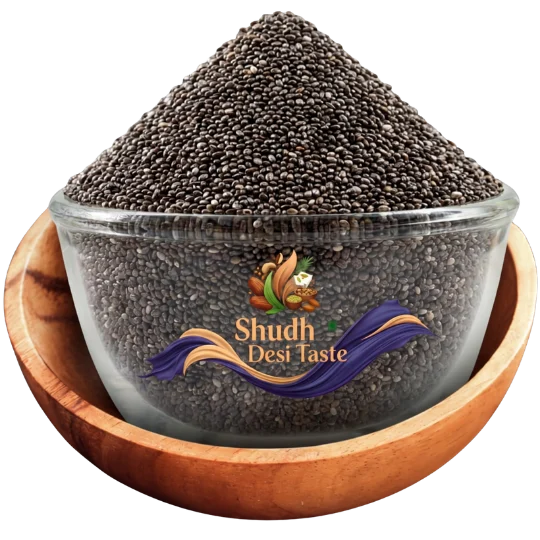 Superfood
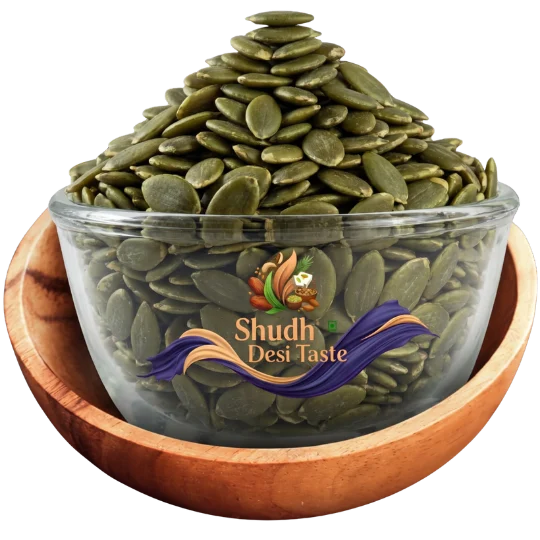 AAA Grade
 Omega-3
Frequently Asked Questions
Everything you need to know about buying dry fruits online
How can I identify fake almonds online?
To identify fake almonds online, check for FSSAI certification, clear origin information (California, Kashmir, or Iran), transparent product images showing actual nuts, detailed descriptions including grade and size, verified customer reviews, and proper packaging information. Avoid sellers with unrealistic prices or no contact details. Genuine almonds have a natural brown skin, irregular shape, and mild sweet taste.
Is FSSAI certification mandatory for dry fruits in India?
Yes, FSSAI (Food Safety and Standards Authority of India) certification is mandatory for all food businesses in India, including dry fruits sellers. Any legitimate dry fruits brand must display their FSSAI license number on packaging and website. You can verify FSSAI licenses on the official FSSAI website. Buying from FSSAI-certified sellers ensures food safety standards compliance.
What is the difference between Mamra and California almonds?
Mamra almonds are grown in Kashmir, Iran, and Afghanistan. They have a concave shape, higher oil content (50-60%), richer flavor, and are more expensive. California almonds are grown in the USA, have a flat oval shape, lower oil content (around 45%), milder taste, and are more affordable. Both are nutritious, but Mamra almonds are considered premium due to their higher nutrient density and traditional cultivation methods.
How do I verify if Kashmiri walnuts are authentic?
Authentic Kashmiri walnuts have a light golden color, buttery texture, mild sweet taste, and come from verified Kashmiri farms. They should have clear origin information, FSSAI certification, and transparent seller details. Genuine Kashmiri walnuts are lighter in color than Iranian or Chinese walnuts, have a distinct aroma, and are typically graded as RBH (Regular Broken Halves) or ELH (Extra Light Halves). Avoid walnuts that are overly white (may be bleached) or dark (may be old).
Why are some dry fruits prices so low online?
Unrealistically low prices are a major red flag indicating potential fraud. Premium dry fruits like Mamra almonds, Kashmiri walnuts, and Medjool dates have fixed production costs. If prices are 40-50% below market rates, the product may be adulterated, old stock, mislabeled (e.g., California almonds sold as Mamra), or from unknown sources with no quality control. Always compare prices with established brands and be wary of deals that seem too good to be true.
Can I trust dry fruits sold without packaging information?
No, dry fruits without proper packaging information should be avoided. Legitimate products must display: MRP, manufacturing date, best before date, FSSAI license number, ingredients, nutritional information, manufacturer details, and net weight. Products sold in plain packets without this information may be adulterated, expired, or from unregulated sources. Always choose products with complete, transparent packaging.
What are the best dry fruits brands in India?
Trusted dry fruits brands in India include Shudh Desi Taste, which offers FSSAI-certified premium dry fruits with transparent sourcing from California, Kashmir, Iran, and Oman. Look for brands that provide: clear origin information, FSSAI certification, detailed product descriptions, verified customer reviews, proper packaging, easy return policies, and responsive customer support. Avoid unknown brands with no verifiable information.
How to check if dry fruits are fresh?
Fresh dry fruits should have: natural color (not overly bright or dark), pleasant nutty aroma (not rancid or musty), firm texture (not soft or rubbery), uniform size and shape, no visible mold or insects, and clear manufacturing/best before dates. When you receive your order, check the packaging seal, smell the nuts, and taste a small piece. Fresh almonds and walnuts have a mild sweet taste, while stale ones taste bitter or rancid.
Is it safe to buy dry fruits from social media sellers?
Buying from social media sellers carries higher risk. While some legitimate businesses operate on Instagram and Facebook, many fraudulent sellers use these platforms. To stay safe: verify their FSSAI license, check for a proper website (not just social media), look for verified reviews on multiple platforms, ensure they have a physical address and contact number, and use secure payment methods. Avoid sellers who only accept cash or direct bank transfers without invoices.
What should I do if I receive fake or adulterated dry fruits?
If you receive fake or adulterated dry fruits: (1) Document everything with photos and videos of the product and packaging, (2) Contact the seller immediately with evidence, (3) Request a full refund or replacement per their return policy, (4) If the seller refuses, file a complaint with FSSAI, Consumer Forum, or Cyber Crime Cell, (5) Leave honest reviews to warn other buyers, (6) Report the seller to the e-commerce platform. Always buy from sellers with clear return policies.
How can I verify a seller's FSSAI license?
To verify a seller's FSSAI license: (1) Find the 14-digit FSSAI license number on their website or packaging, (2) Visit the official FSSAI website (foodlicensing.fssai.gov.in), (3) Use their license verification tool, (4) Enter the license number, (5) Check if the license is active, matches the business name and address, and is authorized for the food category. If the license is fake, expired, or doesn't match, avoid the seller.
What payment methods are safe for online dry fruits purchases?
Safe payment methods include: credit/debit cards (with fraud protection), UPI (Google Pay, PhonePe, Paytm), net banking through secure gateways, and trusted payment processors like Razorpay, PayU, or Stripe. Avoid: direct bank transfers to unknown sellers, cash payments without invoices, payment to personal accounts, and sellers who only accept one payment method. Always ensure the payment page is secure (HTTPS) and the seller provides proper invoices.
How much dry fruits should I buy at once?
For first-time purchases from a new seller, start with small quantities (250g-500g) to test quality and service. Once you're satisfied, you can buy larger quantities (1kg-2kg) for better value. Consider your consumption rate and storage capacity. Dry fruits have a shelf life of 6-12 months when stored properly, so don't buy more than you can consume within that timeframe. Buy in bulk only from trusted sellers with proven quality.
What's the best way to store dry fruits at home?
Store dry fruits in airtight containers in a cool, dry place away from direct sunlight. For extended storage (3-6 months), refrigerate in sealed containers. For long-term storage (6-12 months), freeze in airtight bags. Keep different types of dry fruits in separate containers to prevent flavor mixing. Avoid storing near strong-smelling foods as dry fruits absorb odors. Check for moisture and insects periodically. Proper storage maintains freshness, flavor, and nutritional value.
Are there any seasonal considerations for buying dry fruits?
Yes, seasonal considerations matter: (1) Harvest season (September-November for most dry fruits) offers the freshest products, (2) Festival seasons (Diwali, Christmas, Eid) see higher demand and sometimes price increases, (3) Summer months require extra care in storage due to heat and humidity, (4) Monsoon season increases risk of moisture damage, so buy from sellers with proper packaging, (5) Winter is ideal for consuming dry fruits as they provide warmth and energy. Buy fresh harvest stock when available.
Conclusion: Shop Smart, Stay Safe
Final thoughts and recommendations
Buying premium dry fruits online in India can be a rewarding experience when you know what to look for and what to avoid. The 10 red flags we've discussed in this guide—unrealistic prices, missing FSSAI certification, vague origin information, poor product images, fake reviews, no return policy, misleading descriptions, incomplete packaging, no contact details, and false claims—are critical warning signs that can help you avoid fraud and ensure you're getting genuine, high-quality products.
Remember, premium dry fruits are an investment in your health and well-being. Don't compromise on quality for a slightly lower price. The health risks of consuming adulterated or fake dry fruits far outweigh any short-term savings. Always prioritize sellers who provide transparency, quality assurance, and excellent customer service.
At Shudh Desi Taste, we're committed to providing premium, FSSAI-certified dry fruits with complete transparency. We source directly from trusted farms in California, Kashmir, Iran, Oman, and Mithila, Bihar. Our products come with detailed descriptions, high-quality images, verified customer reviews, proper packaging, and a 7-day satisfaction guarantee. We're here to help you make informed, safe choices when shopping for dry fruits online.
Key Takeaways
- Verify FSSAI Certification: Always check and verify the seller's FSSAI license number
- Compare Prices Realistically: Be suspicious of prices 40-50% below market rates
- Check Origin Information: Ensure clear, specific origin details for premium products
- Read Customer Reviews: Look for detailed, verified reviews on multiple platforms
- Examine Product Images: Choose sellers with high-quality, actual product photos
- Verify Return Policy: Only buy from sellers with clear, fair return policies
- Check Packaging: Ensure complete labeling information is present
- Test Contact Information: Verify the seller has working contact details
- Be Skeptical of False Claims: Avoid sellers making exaggerated or medical claims
- Start Small: Test new sellers with small orders before buying in bulk
Shudh Desi Taste Nutrition Team
Certified Nutritionists & Dry Fruits Experts
After helping thousands of customers identify genuine dry fruits and avoid fraud, we can confidently say: knowledge is your best defense. Use this guide to make informed choices, and always prioritize quality and transparency over price. We're here to support you on your journey to better health through premium, authentic dry fruits. If you have any questions or need assistance, don't hesitate to reach out to our customer support team.
Our Certifications & Compliance
Government approved & verified
FSSAI Certified
License: 13325998000807
GST Registered
GST: 07ASUPY8592K1ZA
MSME Registered
UDYAM-DL-11-0139247

Shudh Desi Taste
Pure · Natural · Desi
At Shudh Desi Taste, we believe in bringing the purest, most authentic natural foods from around the world directly to your table. Our journey began with a simple mission: to provide premium quality dry fruits, nuts, seeds, and superfoods that are 100% natural, chemical-free, and packed with goodness.
Every product we offer is carefully sourced from trusted farmers and producers who share our commitment to quality and purity. From the pristine orchards of California to the Himalayan valleys of Kashmir, from the historic farms of Iran to the sacred lands of Oman and the fertile ponds of Mithila, Bihar — we handpick only the finest ingredients to ensure you receive nothing but the best.
Our name reflects our promise — "Shudh" (Pure), "Desi" (Traditional/Authentic), and "Taste" (Flavor & Experience). We're dedicated to preserving the authentic taste and nutritional value of traditional foods while making them accessible to health-conscious consumers across India.
With over 50,000 happy customers and 7,608+ verified reviews, we're proud to be India's trusted source for premium dry fruits and natural foods. Every pack we ship carries our commitment to quality, authenticity, and your satisfaction.
Ready to Experience Premium Dry Fruits?
Join 50,000+ happy customers who trust Shudh Desi Taste for authentic, FSSAI-certified premium dry fruits. Free shipping on orders above ₹1999. 7-day easy returns. 100% satisfaction guaranteed.
Shop All Premium Products Now